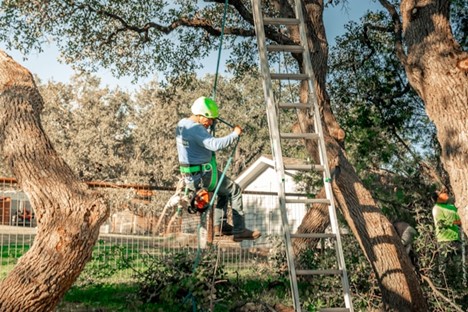
Tree care is often underestimated by homeowners who view it as a simple extension of general yard work. Ladders, chainsaws, and a free afternoon can make it tempting to treat tree trimming in Kansas City, MO as a quick weekend task rather than a specialized service. In reality, proper tree maintenance requires technical knowledge, experience, and safety awareness that go far beyond basic landscaping skills. What may appear straightforward from the ground can involve complex biological, structural, and environmental considerations that, when overlooked, can result in serious injury, property damage, or long-term harm to the tree itself.
Understanding why professional tree maintenance matters begins with recognizing that trees are living systems, not static yard features. Every cut, load shift, and intervention affects how a tree grows, heals, and withstands stress over time.
The Hidden Complexity of Tree Biology
Trees do not respond to cutting or injury in the same way grass or shrubs do. They lack the ability to regenerate damaged tissue in the way animals can. Instead, trees compartmentalize wounds, isolating damaged areas while continuing to grow around them. Improper cuts, excessive removal, or poorly timed work can overwhelm this process, leaving the tree vulnerable to decay, pests, and disease.
A trained arborist understands how trees allocate energy, how wounds close over time, and how different species respond to stress. Without this knowledge, well-intentioned homeowners may inadvertently compromise a tree’s natural defense systems. Damage caused in a single afternoon can take years to manifest, often appearing only after structural weakness or disease has already progressed.
Structural Risk Is Difficult to Assess From the Ground
One of the most dangerous aspects of DIY tree work is misjudging structural integrity. Branches that appear solid may be internally compromised by rot, insect damage, or previous storm stress. Trunks may contain hidden cavities or cracks that affect load distribution when weight shifts during cutting.
Professionals are trained to read subtle indicators such as bark patterns, branch unions, and canopy balance to assess risk before making any cuts. They understand how removing one limb can alter tension throughout the tree, potentially causing unexpected breakage or collapse.
Homeowners working without this expertise are more likely to miscalculate how branches will fall, increasing the risk of injury or damage to homes, vehicles, fences, or neighboring properties.
Safety Hazards Go Far Beyond the Chainsaw
Tree maintenance consistently ranks among the most hazardous occupations due to the combination of heights, heavy equipment, and unpredictable materials. Even small residential trees present significant safety challenges. Falls from ladders, kickback from cutting tools, and being struck by falling limbs are common causes of serious injury.
Professional crews use specialized equipment such as harnesses, ropes, helmets, and protective gear designed specifically for arboricultural work. They are trained in proper climbing techniques, rigging methods, and emergency response procedures. This level of preparation is rarely available to homeowners attempting the same tasks without formal training.
In addition to personal safety, professionals are insured and licensed, providing protection for both workers and property owners. DIY efforts carry personal liability for any injuries or damages that occur.
Improper Techniques Can Permanently Harm Trees
Many common DIY mistakes stem from a misunderstanding of how trees grow. Over-thinning, topping, or removing large limbs without regard for balance can destabilize a tree and trigger rapid, weak regrowth. This regrowth often results in dense clusters of shoots that are more prone to breakage and require more frequent intervention in the future.
Incorrect cutting locations can also prevent proper wound closure, allowing moisture and pathogens to enter the tree. Over time, this can lead to internal decay that compromises structural integrity long after the initial work is forgotten.
Professional maintenance focuses on long-term outcomes rather than short-term appearance, ensuring that each intervention supports the tree’s health and structural soundness over decades.
Species-Specific Knowledge Matters
Not all trees respond to maintenance in the same way. Growth habits, wood strength, disease susceptibility, and seasonal timing vary widely among species. What is appropriate for one type of tree may be damaging to another.
Professionals understand these distinctions and tailor their approach accordingly. They know which species tolerate heavier pruning, which require lighter touch, and which are particularly sensitive to timing. DIY approaches often apply a one-size-fits-all method that ignores these critical differences.
This lack of species-specific knowledge can result in unintended consequences, including reduced flowering, poor canopy structure, or increased vulnerability to pests.
Root Systems Are Often Overlooked
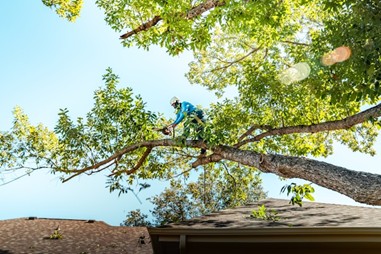
Tree maintenance is not limited to what happens above ground. Root systems play a crucial role in stability, nutrient uptake, and overall health. Activities such as soil compaction, excavation, or cutting surface roots can destabilize a tree or reduce its ability to absorb water and nutrients.
Professionals consider root zones when planning maintenance, recognizing how changes above ground affect what happens below. Homeowners may unknowingly damage roots during DIY projects, weakening trees in ways that are not immediately visible.
Understanding the relationship between roots, trunk, and canopy is essential for safe and effective care.
Environmental and Seasonal Timing Is Critical
The timing of tree work can significantly influence outcomes. Certain seasons are better suited for maintenance depending on species, climate, and local pest activity. Poorly timed work can stress trees, reduce growth, or attract insects and disease.
Professionals schedule maintenance based on environmental conditions and biological cycles, minimizing stress while maximizing recovery. DIY efforts often occur based on convenience rather than optimal timing, increasing the likelihood of negative effects.
Seasonal awareness also plays a role in safety, as weather conditions can affect footing, equipment performance, and branch behavior.
Legal and Regulatory Considerations
Tree maintenance can carry legal implications, especially in residential areas with local ordinances, homeowner association rules, or protected tree species. Removing or altering certain trees without proper permits can result in fines or legal disputes.
Professional services are familiar with local regulations and can help homeowners navigate compliance requirements. DIY efforts may inadvertently violate rules, creating legal and financial complications that outweigh any perceived cost savings.
Additionally, improperly maintained trees that later fail and cause damage may expose homeowners to liability if negligence is determined.
Long-Term Cost Implications
While DIY tree maintenance may appear cost-effective upfront, mistakes can lead to expensive consequences. Damaged trees may require corrective work, emergency removal, or replacement. Property damage and medical expenses from accidents can far exceed the cost of professional service.
Professional maintenance focuses on preventative care, identifying issues early and addressing them before they escalate. This proactive approach often reduces long-term expenses by preserving tree health and minimizing emergency interventions.
Investing in professional care is not simply about aesthetics; it is about managing risk and protecting valuable landscape assets.
Professional Expertise Supports Sustainable Landscapes
Healthy trees contribute to environmental stability, energy efficiency, and neighborhood character. Professional maintenance supports these benefits by promoting strong structure, resilience to storms, and long-term vitality.
Arborists are trained to consider ecological factors such as wildlife habitat, soil health, and climate resilience. Their work supports not only individual trees but the broader landscape ecosystem.
DIY approaches rarely account for these broader impacts, focusing instead on immediate visual results.
Understanding When Expertise Is Essential
Tree maintenance is a specialized field that combines biology, engineering, and safety management. While homeowners can perform basic yard care, trees demand a higher level of expertise due to their size, complexity, and long lifespan.
Recognizing when a task exceeds DIY capabilities is a crucial part of responsible property ownership. Professional tree maintenance ensures that work is done safely, legally, and in a way that supports long-term health rather than short-term convenience.
In residential landscapes, trees are living investments. Treating their care as a casual weekend project risks far more than it saves, while professional maintenance protects both the trees themselves and the people who live among them.