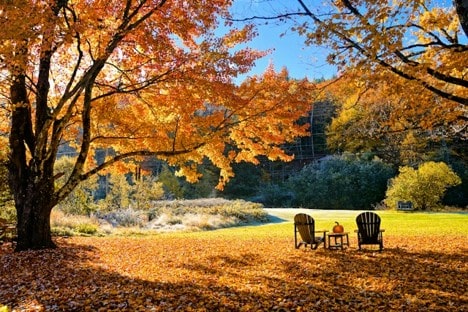
Creating a Low-Maintenance Landscape Without Sacrificing Beauty

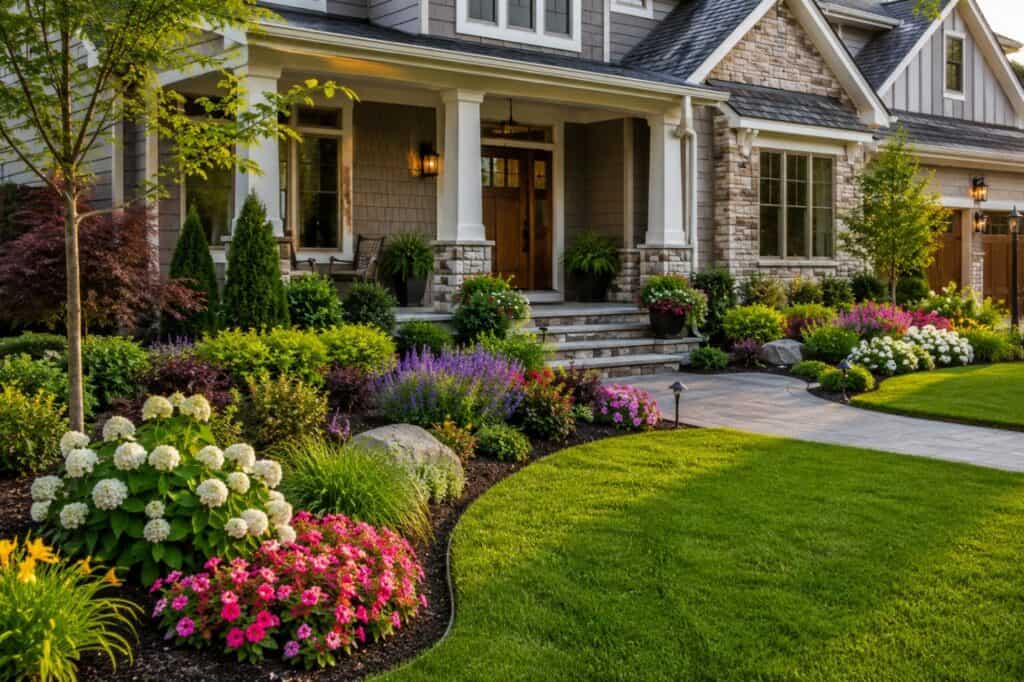
Many homeowners dream of a beautiful outdoor space but worry about the time and effort required to keep it looking its best. Between mowing, pruning, watering, weeding, and seasonal cleanup, yard care can quickly become a significant commitment. Fortunately, thoughtful planning can dramatically reduce maintenance without diminishing visual appeal. If you’re considering landscaping in Kansas City for a new home or looking to refresh an existing property, the key is designing an outdoor environment that works with nature rather than against it.

Start with a Thoughtful Design

Every successful outdoor project begins with a well-planned design. Instead of simply filling available space with plants, consider how each area will function over time.

Think about how you use your yard. Areas that receive frequent foot traffic may benefit from wider walkways or patios instead of large expanses of grass. Decorative beds should be positioned where they can be easily accessed for occasional maintenance. Grouping plants with similar water and sunlight requirements also simplifies long-term care.

Planning with maintenance in mind helps prevent future challenges and ensures every feature serves a purpose.

Choose Plants That Thrive Naturally

One of the easiest ways to reduce long-term maintenance is by selecting plants that are naturally suited to your local climate and growing conditions. The U.S. Environmental Protection Agency recommends using regionally appropriate, low-water-use, and native plants because, once established, they typically require little additional watering beyond normal rainfall.

The EPA also notes that native plants are adapted to local soils and climate conditions, meaning they rarely require added fertilizer and are generally more resistant to pests and diseases than many non-native species. By choosing native and regionally adapted varieties, homeowners can spend less time watering, fertilizing, pruning, and managing pests while creating a healthier, more resilient outdoor environment. Perennials further reduce yearly maintenance because they return each growing season without the need for replanting.

Reduce the Amount of Lawn

While a lush lawn can be attractive, it is often the most maintenance-intensive feature on a property.

Large grassy areas require regular mowing, watering, fertilizing, weed control, and seasonal treatments.

Replacing portions of turf with other elements can dramatically reduce ongoing maintenance while adding visual interest.

Consider incorporating:

  • Decorative planting beds
  • Ground covers
  • Mulched islands
  • Natural stone features
  • Patios
  • Seating areas
  • Gravel pathways

These additions break up large lawns while creating a more dynamic outdoor environment.

Use Mulch to Your Advantage

Mulch is one of the simplest yet most effective tools for reducing long-term maintenance while promoting healthier plant growth. A properly applied layer of mulch helps suppress weed growth by blocking sunlight from reaching weed seeds, retain soil moisture by reducing evaporation, moderate soil temperatures during periods of extreme heat and cold, reduce soil erosion caused by rain and wind, and improve soil health as organic mulch gradually decomposes.

Together, these benefits create a healthier growing environment while significantly reducing the amount of routine yard work required. Instead of spending hours pulling weeds throughout the growing season, homeowners often find that refreshing the mulch once each year is enough to keep planting beds looking neat and well-maintained.

Invest in Quality Hardscapes

Hardscape features provide long-term beauty without the constant care required by living plants. Patios, retaining walls, walkways, decorative stone borders, and outdoor gathering spaces add structure while reducing the amount of the yard that requires regular upkeep. Their appeal extends beyond maintenance as well.

According to the National Association of Realtors’ Remodeling Impact Report, homeowners gave the addition of a new patio a Joy Score of 9.9 out of 10, reflecting the significant satisfaction these outdoor improvements can provide. Durable materials such as natural stone, concrete pavers, and brick can last for decades with only occasional cleaning or minor maintenance. Hardscape features also help define outdoor spaces, making the entire property feel more organized, functional, and enjoyable for everyday use.

Group Plants by Their Needs

A common mistake is placing plants with vastly different requirements next to one another.

For example, moisture-loving plants may be installed beside drought-tolerant shrubs, making watering inefficient for both.

Instead, organize plantings according to:

  • Water requirements
  • Sun exposure
  • Soil preferences
  • Growth habits

This technique, sometimes called hydro-zoning, simplifies irrigation and encourages healthier plant growth while reducing wasted water.

Incorporate Evergreens for Year-Round Interest

Many homeowners rely heavily on flowering plants that provide vibrant color for only a few weeks each year. While these blooms can be beautiful, incorporating evergreens into the design adds structure and visual interest that lasts throughout every season.

Evergreen trees and shrubs offer year-round privacy screening, maintain greenery during the winter months, provide natural wind protection, and serve as an attractive backdrop that allows seasonal flowers to stand out even more.

By combining evergreen plantings with flowering perennials and ornamental grasses, homeowners can create an outdoor space that evolves with the seasons while maintaining a balanced, attractive appearance without the need for frequent replacement.

Install Efficient Irrigation

Watering is often one of the most time-consuming aspects of maintaining a yard.

Modern irrigation technology helps deliver water more efficiently while reducing manual labor.

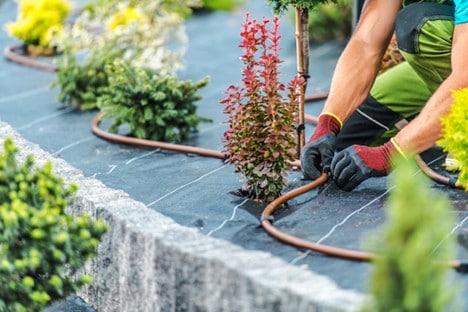
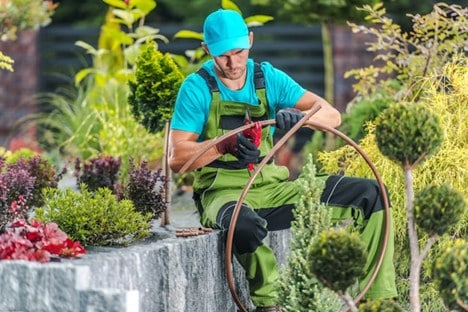
Smart controllers, weather sensors, and drip irrigation systems adjust watering schedules based on rainfall and environmental conditions.

These systems help avoid overwatering while keeping plants healthy during dry periods.

Routine inspections also ensure equipment continues operating efficiently and conserves water over time.

Select Slow-Growing Shrubs and Trees

Not every tree or shrub grows at the same pace. Fast-growing species often require frequent pruning to maintain their shape and prevent overcrowding. Slow-growing varieties generally need less trimming while maintaining a more consistent appearance.

Before planting, consider each species’ mature height and width.

Choosing plants that fit the available space reduces future maintenance and eliminates the need for aggressive pruning.

Keep Planting Beds Simple

It’s tempting to include dozens of plant varieties in a single garden bed. However, overly complex designs often require significantly more maintenance.

A simpler approach creates cleaner visual lines while making long-term care easier.

Repeating a limited selection of complementary plants throughout the property creates unity and elegance without overwhelming the space. This approach also simplifies seasonal maintenance because similar plants typically require similar care.

Plan for Seasonal Changes

A truly low-maintenance outdoor environment should remain attractive throughout every season, not just during the spring. When selecting plants, consider varieties that provide visual interest year-round, including summer blooms, colorful fall foliage, winter berries, evergreen texture, ornamental bark, and seed heads that add character during the colder months.

By incorporating plants with different seasonal features, you can create an outdoor space that continually evolves while reducing the need for frequent replacements or seasonal updates. Designing for four-season appeal helps ensure the property remains beautiful and inviting throughout the year with less ongoing maintenance.

Improve Soil Health

Healthy soil forms the foundation of every successful outdoor space.

Plants growing in nutrient-rich, well-drained soil typically require:

  • Less watering
  • Less fertilization
  • Fewer pest treatments
  • Better disease resistance

Adding compost and organic matter improves soil structure while encouraging stronger root systems.

Healthier plants naturally require less intervention throughout the growing season.

Think About Long-Term Growth

Many outdoor projects look perfect immediately after installation because plants are still small. Five or ten years later, overcrowding often becomes a maintenance headache.

Proper spacing allows plants to reach their mature size without competing for sunlight, water, or nutrients. Adequate spacing also improves air circulation, reducing the likelihood of fungal diseases while minimizing the need for continual pruning.

Planning for mature growth saves considerable time and expense in the future.

Use Decorative Stone Strategically

Decorative rock can be an attractive alternative to traditional mulch in certain areas.

Stone works especially well around:

  • Drainage features
  • Walkways
  • Foundation beds
  • Dry creek beds
  • Xeriscape gardens

Unlike organic mulch, decorative stone does not decompose and requires infrequent replacement.

Combining stone with drought-tolerant plants creates an attractive appearance while reducing long-term upkeep.

Don’t Forget Outdoor Lighting

Landscape lighting enhances both beauty and functionality without adding maintenance.

LED fixtures consume little energy and often last for many years before requiring replacement.

Thoughtfully placed lighting highlights architectural features, walkways, mature trees, and planting beds while improving nighttime safety.

Timers and smart controls further reduce the need for manual operation.

Maintain Regularly But Less Often

Low maintenance does not mean maintenance-free.

Even the most carefully planned outdoor environment benefits from periodic attention.

Routine tasks such as inspecting irrigation equipment, refreshing mulch, removing occasional weeds, trimming damaged branches, and cleaning hardscape surfaces help prevent larger problems from developing.

Because the overall design emphasizes durable materials, appropriate plant selection, and efficient resource management, these routine tasks become far less demanding than maintaining a traditional, high-maintenance yard.

Beauty Through Smart Planning

Creating a beautiful outdoor environment does not require constant work. By choosing plants that naturally thrive in local conditions, incorporating durable hardscape features, improving soil health, reducing unnecessary turf, and designing with long-term growth in mind, homeowners can enjoy an attractive property with significantly less upkeep.

The most successful outdoor spaces strike a balance between aesthetics and practicality. Rather than demanding continual attention, they are designed to mature gracefully, adapt to seasonal changes, and remain visually appealing year after year. With thoughtful planning and quality installation, a low-maintenance landscape can deliver lasting beauty, conserve resources, and provide more time to enjoy the outdoors instead of working in it.

The Benefits of Professional Landscape Design vs. DIY Planning


A beautiful outdoor space can transform the way homeowners experience their property. From improving curb appeal to creating functional areas for relaxation and entertainment, landscape gardening plays a significant role in both aesthetics and property value. While many homeowners consider handling the planning on their own, professional design services often deliver results that are difficult to achieve through a do-it-yourself approach. For homeowners considering landscaping in Kansas City and similar regions, understanding the differences between professional landscape design and DIY planning can help guide smarter long-term decisions.

Successful designs require careful planning, knowledge of site conditions, understanding of plant growth patterns, drainage considerations, and a vision for how the landscape will evolve over time. These factors often determine whether a project thrives for decades or becomes an ongoing source of frustration and expense.

Understanding the Complexity of Landscape Design

Homeowners often gather inspiration from magazines, social media, or neighboring properties and attempt to recreate similar features in their own yards.

However, professionals approach projects from a much broader perspective. We evaluate soil conditions, sunlight exposure, drainage patterns, topography, existing vegetation, and long-term maintenance requirements before making recommendations.

What looks attractive in a photograph may not be suitable for a particular property. A plant that flourishes in one location may struggle in another due to differences in climate, soil composition, or available sunlight.

Our designers account for these variables early in the planning process, helping homeowners avoid costly mistakes.

Creating a Cohesive Vision

One of the most noticeable differences between professional landscape design and DIY planning is the overall cohesiveness of the final result.

Many DIY projects develop gradually over time, with homeowners adding features as budgets and ideas allow. While this approach can work in some cases, it often leads to a landscape that feels disconnected or inconsistent.

Our professional designers begin with a comprehensive master plan that considers the entire property. Every element is selected to complement the others and contribute to a unified aesthetic.

This holistic approach ensures that patios, walkways, gardens, trees, lighting, and outdoor living spaces work together rather than competing for attention.

The result is an outdoor environment that feels intentional and balanced.

Avoiding Expensive Mistakes

Landscape mistakes can be surprisingly costly.

Improper plant selection, poor grading, inadequate drainage solutions, and incorrect material choices frequently lead to expensive corrections. Homeowners who attempt projects without professional guidance sometimes find themselves replacing plants, redesigning hardscapes, or addressing water-related issues only a few years after installation.

Our team can help reduce these risks by identifying potential problems before construction begins.

For example, we may recognize that a particular area is prone to standing water and recommend drainage improvements before planting occurs. Similarly, we might also select trees and shrubs based on their mature size, preventing overcrowding and future removal costs.

Investing in expert planning often saves money over the long term by minimizing avoidable errors.

Maximizing Property Value

Landscaping is one of the few home improvements that can enhance both daily enjoyment and resale value.

Well-designed landscapes contribute significantly to first impressions, making properties more attractive to potential buyers. Research consistently shows that thoughtful landscaping can increase perceived property value and improve marketability.

Professional designers understand how to allocate resources toward features that provide the greatest return on investment.

Rather than spending money on isolated projects that may have limited impact, homeowners can focus on improvements that enhance overall functionality, appearance, and long-term appeal.

A professionally planned landscape often becomes a valuable extension of the home itself.

Expertise in Plant Selection

Choosing the right plants involves more than selecting attractive flowers or shrubs.

Designers consider factors such as growth habits, maintenance requirements, seasonal interest, disease resistance, and environmental suitability. They understand how plants will interact with one another as they mature and can create combinations that provide year-round visual appeal.

DIY projects sometimes overlook these considerations.

A landscape may look impressive immediately after installation but become difficult to manage as plants outgrow their spaces or compete for resources.

Professional planning helps ensure that the landscape remains attractive and functional long after installation is complete.

Solving Drainage and Site Challenges

Poor drainage can damage foundations, create erosion problems, kill plants, and limit the usability of outdoor spaces. Unfortunately, these challenges are not always obvious to homeowners during the planning stage.

Our team assesses site conditions carefully and incorporates solutions that address potential concerns.

These may include grading adjustments, drainage systems, retaining walls, permeable surfaces, or strategic planting techniques designed to manage water effectively.

Addressing these issues proactively can prevent significant maintenance expenses in the future.

Better Integration of Outdoor Living Spaces

Outdoor living areas have become increasingly important to homeowners.

Patios, outdoor kitchens, fire features, pergolas, and gathering spaces now serve as extensions of the home’s interior. Designing these spaces requires careful consideration of traffic flow, functionality, privacy, and aesthetics.

We excel at integrating these elements into the overall property design.

Rather than treating each feature as a separate project, they create environments that encourage natural movement and maximize usability.

This integration often results in outdoor spaces that feel more comfortable, practical, and inviting.

Access to Industry Knowledge and Resources

Our team stays informed about new materials, construction techniques, plant varieties, sustainability practices, and industry trends. This knowledge allows them to recommend solutions that many homeowners may not know exist.

In addition, we maintain relationships with contractors, nurseries, suppliers, and specialty tradespeople.

These connections can streamline project execution and improve the overall quality of the finished landscape.

DIY homeowners often spend considerable time researching products and sourcing materials independently.

Saving Time and Reducing Stress

Landscape projects can be time-consuming, especially for individuals balancing work, family responsibilities, and other commitments.

Researching design options, selecting materials, coordinating installations, and troubleshooting unexpected challenges requires a substantial investment of time and effort.

Professional designers manage much of this process on behalf of homeowners.

Our experience helps keep projects organized, minimize delays, and address issues efficiently. For many homeowners, the time savings alone justify the investment in professional services.

Long-Term Planning Matters

One of the greatest advantages of professional landscape design is the focus on long-term performance.

Designers understand that landscapes evolve over time. Trees grow larger, shrubs mature, and outdoor spaces adapt to changing family needs.

A professionally developed master plan accounts for these future changes.

Rather than focusing solely on immediate visual impact, designers create landscapes that remain functional and attractive for years to come.

This foresight often reduces future renovation costs while helping homeowners make informed decisions about phased improvements.

Sustainability and Environmental Benefits

Environmental considerations are becoming increasingly important in landscape planning.

Examples may include:

  • Native plant selections
  • Pollinator-friendly gardens
  • Efficient irrigation systems
  • Rain gardens
  • Erosion control strategies
  • Water-conscious landscape layouts

These solutions help homeowners create attractive landscapes while minimizing environmental impacts and long-term maintenance requirements.

DIY projects may overlook these opportunities due to limited familiarity with sustainable design principles.

When DIY Can Still Make Sense

While professional landscape design offers numerous advantages, DIY approaches can still be appropriate in certain situations.

Small projects such as planting annual flowers, adding mulch, installing simple garden beds, or updating decorative elements can often be completed successfully by homeowners with basic gardening knowledge.

For those who enjoy hands-on outdoor work, DIY efforts can provide a sense of accomplishment and personal connection to the property.

However, larger projects involving grading, drainage, hardscaping, extensive planting plans, or major outdoor living features typically benefit from professional expertise.

The more complex the project becomes, the greater the value of comprehensive planning.

Investing in a Landscape That Lasts

A landscape is one of the most visible and frequently used aspects of any property. It shapes first impressions, influences daily enjoyment, and contributes to long-term property value. While DIY planning may appear cost-effective initially, working with a professional team delivers superior results through strategic planning, expert knowledge, and thoughtful execution.

By considering factors that extend beyond immediate appearance, including functionality, maintenance, drainage, sustainability, and future growth, we create outdoor environments that stand the test of time. For homeowners seeking to maximize both beauty and performance, professional landscape design provides a foundation for success that can enhance a property for decades to come.

Outdoor Features Buyers Notice Most


First impressions matter in real estate, and those impressions often begin long before a potential buyer steps inside a home. The condition, design, and functionality of outdoor spaces can significantly influence how buyers perceive a property and whether they view it as a worthwhile investment. Homeowners researching improvements, including those exploring St. Louis landscaping trends, are increasingly recognizing that well-designed outdoor features can enhance curb appeal, improve usability, and strengthen a property’s marketability. While interior updates often receive the most attention, outdoor spaces play an equally important role in shaping buyer perceptions and influencing purchasing decisions.

Today’s buyers are looking beyond basic lawns and flower beds. They want outdoor environments that feel like natural extensions of the home, offering beauty, convenience, functionality, and opportunities for relaxation. Understanding which features capture buyer attention can help homeowners make strategic improvements that add lasting value.

Curb Appeal Sets the Tone

The first thing buyers notice is the overall appearance of the property from the street.

A well-maintained landscape immediately signals that a home has been cared for, creating confidence before buyers even enter the front door. Conversely, neglected landscaping can raise concerns about maintenance and potential issues elsewhere on the property.

Simple elements such as healthy lawns, trimmed shrubs, colorful seasonal plantings, and clean walkways contribute significantly to curb appeal. These features create an inviting atmosphere that encourages buyers to explore further.

Because buyers often form opinions within moments of arriving at a property, exterior presentation can have a lasting impact on the overall showing experience.

A Welcoming Front Entry Creates a Positive Impression

The journey from the driveway to the front door matters more than many homeowners realize.

An attractive entryway helps establish an emotional connection between buyers and the property. Features such as decorative walkways, landscape lighting, attractive plantings, and a well-maintained front porch create a sense of arrival.

Buyers often imagine themselves living in a home during a showing. A welcoming entrance supports that visualization process by making the property feel inviting and comfortable.

Even relatively modest improvements to the front entry area can elevate the overall appearance of the home and enhance its perceived value.

Outdoor Living Spaces Continue to Gain Popularity

One of the most sought-after outdoor features among modern buyers is usable living space.

Patios, decks, pergolas, and outdoor seating areas effectively increase a home’s functional square footage by creating spaces for relaxation, dining, and entertaining.

The growing popularity of outdoor living reflects changing homeowner preferences. Many buyers want areas where they can host gatherings, enjoy family time, or simply spend more time outdoors without leaving their property.

Well-designed outdoor living spaces help buyers envision how they would use the home on a daily basis, making these features particularly appealing during the sales process.

Patios Often Deliver Strong Appeal

Patios remain one of the most attractive outdoor features for prospective buyers.

Unlike some landscape elements that require significant upkeep, patios offer functionality with relatively low maintenance requirements. They provide a dedicated area for furniture, grills, fire features, and social gatherings.

Material selection can further enhance buyer appeal. Natural stone, pavers, and decorative concrete often create a more polished appearance than basic poured concrete surfaces.

A thoughtfully designed patio can transform an underutilized backyard into a highly desirable extension of the home.

Landscape Lighting Adds Value Beyond Appearance

Landscape lighting frequently catches buyers’ attention, particularly during evening showings or twilight photography.

Properly placed lighting highlights architectural features, illuminates pathways, and creates ambiance throughout the property. It also contributes to safety and security by improving visibility around walkways and entrances.

Buyers increasingly appreciate outdoor spaces that remain functional after sunset. Lighting systems help achieve this goal while enhancing the property’s overall aesthetic appeal.

Even subtle lighting improvements can make a home feel more refined and professionally maintained.

Mature Trees Enhance Beauty and Comfort

Trees are among the most valuable landscape assets a property can possess.

Mature trees provide shade, visual interest, privacy, and environmental benefits. They often contribute to a sense of permanence and character that newly planted landscapes cannot immediately replicate.

Buyers frequently notice healthy, established trees because they enhance the overall atmosphere of a property. Shade from mature trees can also improve outdoor comfort while helping reduce cooling costs during warmer months.

Because trees require years to reach maturity, existing specimens often represent a significant advantage in the eyes of potential buyers.

Privacy Features Attract Attention

Privacy remains a priority for many homeowners.

Outdoor spaces that offer seclusion tend to feel more comfortable and usable. Buyers often appreciate features that create separation from neighboring properties without making the yard feel enclosed.

Landscaping can achieve privacy through strategic plantings, hedges, decorative fencing, pergolas, and other design elements.

These features help transform outdoor areas into private retreats where homeowners can relax without feeling exposed to surrounding properties.

The ability to enjoy outdoor spaces comfortably and privately often increases buyer interest.

Fire Features Create Memorable Outdoor Experiences

Fire pits and outdoor fireplaces have become increasingly popular additions to residential landscapes.

These features serve as gathering points that encourage social interaction and year-round outdoor enjoyment. They also create a focal point that helps define outdoor living spaces.

Buyers are often drawn to amenities that support entertaining and recreation. Fire features align well with those priorities by providing a unique and visually appealing enhancement to the backyard.

Even simple fire pit installations can add character and functionality that buyers remember after a showing.

Functional Walkways Improve Both Appearance and Usability

Walkways do more than connect different areas of a property.

Professionally designed pathways contribute to the overall landscape design while improving accessibility and movement throughout the yard. Attractive materials such as pavers, stone, or decorative concrete often enhance visual appeal while providing practical benefits.

Buyers notice walkways because they influence how easily the property can be navigated.

Well-planned pathways create a sense of organization and intentional design, reinforcing positive impressions of the home’s exterior.

Water Features Capture Interest

Water features can create a distinctive atmosphere that helps a property stand out.

Fountains, ponds, and small waterfalls introduce movement and sound into the landscape, contributing to a peaceful outdoor environment. While not every buyer actively seeks water features, many appreciate the visual interest and uniqueness they provide.

The key is ensuring that these elements appear well-maintained and appropriately scaled for the property.

When integrated thoughtfully, water features can become memorable focal points that enhance overall buyer perception.

Low-Maintenance Landscaping Appeals to Modern Buyers

While beautiful landscapes attract attention, buyers also consider maintenance requirements.

Many prospective homeowners are looking for outdoor spaces that offer visual appeal without demanding excessive upkeep. Landscapes that balance beauty with practicality often generate the strongest interest.

Features such as native plantings, drought-tolerant gardens, efficient irrigation systems, and thoughtfully selected shrubs can create attractive environments that require less ongoing maintenance.

Buyers increasingly value outdoor spaces that fit comfortably into busy lifestyles.

Outdoor Kitchens Add a Luxury Element

Outdoor kitchens continue to gain popularity among buyers seeking premium outdoor amenities.

These spaces allow homeowners to prepare meals and entertain guests without repeatedly moving between the house and backyard. Depending on the design, outdoor kitchens may include grills, countertops, sinks, refrigeration, and storage.

Even modest outdoor cooking areas can elevate the perception of a property and contribute to a more complete outdoor living experience.

For buyers who enjoy entertaining, these features often stand out as particularly desirable.

Drainage and Property Condition Matter More Than Many Realize

While buyers may not immediately recognize drainage systems, they often notice the consequences of poor drainage.

Standing water, erosion, muddy areas, and damaged landscaping can create concerns about property maintenance and future expenses.

Proper grading, healthy turf, well-maintained planting beds, and effective drainage solutions contribute to a property’s overall appearance and functionality.

These elements may not be the most visually exciting features, but they help reassure buyers that the property has been cared for properly.

Outdoor Spaces That Tell a Story

The most successful landscapes do more than look attractive. They help buyers imagine how they might live on the property.

A patio suggests outdoor dinners with family. A fire pit evokes evenings spent with friends. A shaded garden creates opportunities for relaxation. A private backyard offers a place to unwind after a busy day.

These emotional connections often influence purchasing decisions just as strongly as practical considerations.

When outdoor spaces feel purposeful and inviting, buyers are more likely to envision themselves enjoying the home for years to come.

Creating Lasting Buyer Appeal

Outdoor features have become increasingly important in today’s real estate market. Buyers are paying close attention to how properties function beyond their interior walls, and they often place significant value on landscapes that enhance both beauty and usability.

From curb appeal and mature trees to patios, privacy features, lighting, and outdoor living spaces, the most attractive properties are those that create a seamless connection between indoor and outdoor living. Homeowners who invest strategically in their landscapes can improve everyday enjoyment while positioning their properties more favorably when it comes time to sell.

Ultimately, buyers notice outdoor features that make a home feel complete. When landscaping is thoughtfully designed and well-maintained, it becomes far more than a visual asset, it becomes a powerful selling point that helps a property stand out in a competitive market.

Top Outdoor Design Trends for Homes in the Heartland

Across the Midwest, homeowners are rethinking how their outdoor spaces function, not just how they look. In regions like Kansas, where weather patterns can shift dramatically between seasons, creating a space that balances beauty, durability, and practicality is more important than ever. From modern lawn care strategies to thoughtfully designed gathering areas, the focus is shifting toward outdoor environments that enhance everyday living. For those considering professional landscaping in Wichita KS, these latest trends reflect a growing emphasis on sustainability, usability, and long-term value.

Embracing Native and Climate-Resilient Plants

One of the most significant shifts in outdoor design across the Heartland is the increased use of native and climate-resilient plant life. Homeowners are moving away from high-maintenance greenery that struggles in extreme temperatures and instead opting for species that naturally thrive in Kansas conditions.

Native plants offer several advantages. They require less water, adapt well to local soil, and are more resistant to pests and disease. This translates into lower maintenance and reduced long-term costs. Additionally, these plants support local ecosystems by attracting pollinators such as bees and butterflies, adding both environmental and visual value.

Incorporating a mix of grasses, perennials, and flowering plants that are suited to the region helps create a balanced, natural aesthetic that evolves beautifully throughout the seasons.

Functional Outdoor Living Spaces

Outdoor areas are no longer just for occasional use, they are becoming extensions of the home. Homeowners are increasingly investing in spaces that support relaxation, entertainment, and daily activities.

Patios, fire pits, and seating areas are being designed with comfort and functionality in mind. Weather-resistant furniture, shade structures, and built-in features such as seating walls or outdoor kitchens are becoming more common. These additions transform outdoor areas into usable spaces throughout much of the year.

In the Midwest, where evenings can be cool even in warmer months, fire features add both ambiance and practicality. They extend the usability of outdoor spaces and create a natural gathering point for family and friends.

Low-Maintenance Lawn Solutions

Maintaining a traditional lawn can be time-consuming and challenging, especially during periods of drought or extreme heat. As a result, homeowners are exploring low-maintenance alternatives that still provide a clean and attractive appearance.

This includes reducing the overall size of grass areas and incorporating ground covers, decorative stone, or mulch beds. These elements not only reduce upkeep but also add visual interest and texture to the property.

For those who prefer to keep a traditional lawn, there is a growing focus on smarter care techniques. This includes selecting drought-tolerant grass varieties, improving soil health, and using efficient irrigation systems to conserve water while maintaining a lush appearance.

Smart Irrigation and Water Management

Water conservation has become a key priority, particularly in areas prone to dry conditions. Modern irrigation systems are designed to deliver water more efficiently, reducing waste while ensuring that plants receive the moisture they need.

Smart irrigation technology allows homeowners to control watering schedules based on weather conditions, soil moisture levels, and seasonal changes. This not only improves plant health but also helps lower utility costs.

In addition to irrigation, proper drainage solutions are gaining attention. Heavy rains can lead to pooling water and soil erosion, which can damage outdoor spaces over time. Installing features such as French drains, grading adjustments, or permeable surfaces helps manage water effectively and protect the integrity of the property.

Outdoor Lighting for Safety and Aesthetics

Lighting plays a crucial role in enhancing both the functionality and appearance of outdoor spaces. Thoughtfully placed lighting can highlight architectural features, illuminate pathways, and create a welcoming atmosphere after dark.

In the Heartland, where daylight hours vary significantly throughout the year, outdoor lighting extends the usability of outdoor areas. Homeowners are increasingly choosing energy-efficient LED options that provide long-lasting illumination with minimal energy consumption.

Layered lighting designs are particularly popular. This approach combines different types of lighting, such as pathway lights, accent lights, and ambient lighting, to create depth and visual interest. The result is a space that feels both safe and inviting.

Sustainable and Eco-Friendly Practices

Sustainability is no longer a niche consideration; it has become a central focus in outdoor design. Homeowners are looking for ways to reduce their environmental impact while maintaining beautiful and functional spaces.

This includes using organic fertilizers, minimizing chemical treatments, and incorporating composting practices. Rainwater harvesting systems are also gaining popularity, allowing homeowners to collect and reuse water for irrigation purposes.

Permeable materials, such as gravel or specially designed pavers, are being used to reduce runoff and improve water absorption. These materials help maintain natural water cycles and prevent issues associated with excessive drainage.

Blending Hardscape and Softscape Elements

A balanced combination of structural features and natural elements is a hallmark of modern outdoor design. Hardscape elements such as walkways, retaining walls, and patios provide structure and define spaces, while plant life softens the overall look and adds vibrancy.

In the Heartland, this balance is particularly important due to the region’s diverse weather conditions. Durable materials such as stone, brick, and concrete are commonly used for structural features, ensuring longevity and resilience.

At the same time, incorporating greenery and natural textures helps create a welcoming environment that feels connected to the surrounding landscape. The interplay between these elements results in a cohesive and visually appealing design.

Outdoor Spaces Designed for All Ages

Another emerging trend is the creation of outdoor spaces that cater to all members of the household. Families are designing areas that support a variety of activities, from play zones for children to relaxation areas for adults.

This might include open lawn areas for games, shaded seating for reading or socializing, and multi-functional spaces that can adapt to different needs. The goal is to create an environment that encourages time spent outdoors and fosters connection among family members.

Accessibility is also becoming a consideration, with designs that accommodate individuals of all ages and abilities. Smooth pathways, adequate lighting, and thoughtful layouts ensure that outdoor spaces are inclusive and easy to navigate.

Seasonal Flexibility and Year-Round Appeal

In a region like Kansas, where seasons can be extreme, designing outdoor spaces that remain functional and attractive year-round is a key priority. Homeowners are selecting plants that provide visual interest across different seasons, from spring blooms to winter textures.

Structures such as pergolas, covered patios, and windbreaks help protect against the elements, making outdoor spaces usable even in less favorable weather. Incorporating features that adapt to seasonal changes ensures that the investment in outdoor design continues to deliver value throughout the year.

Enhancing Curb Appeal with Thoughtful Design

First impressions matter, and the exterior of a home plays a significant role in how it is perceived. Enhancing curb appeal is a top priority for many homeowners, whether they are preparing to sell or simply want to take pride in their property.

This includes maintaining a well-kept lawn, adding colorful plant arrangements, and ensuring that entryways are inviting and well-lit. Small details, such as updated walkways or decorative borders, can make a significant difference in the overall appearance of a property.

Consistency in design is also important. Coordinating colors, materials, and styles creates a cohesive look that enhances the home’s visual appeal.

The Future of Outdoor Living

Outdoor design in the Heartland is evolving to meet the needs of modern homeowners. The focus is no longer solely on aesthetics but on creating spaces that are functional, sustainable, and adaptable to changing conditions.

From native plant selections and smart irrigation systems to multi-purpose living areas and energy-efficient lighting, these trends reflect a shift toward thoughtful, intentional design. Homeowners are investing in outdoor environments that not only enhance their property but also improve their quality of life.

By embracing these trends, residents across Kansas and the broader Midwest can create outdoor spaces that are both beautiful and practical – spaces that stand up to the region’s unique challenges while providing lasting enjoyment for years to come.

Top Native Plants to Enhance Your St. Louis Yard

When planning a garden, many homeowners overlook the benefits of native plants. Incorporating indigenous species can significantly enhance the beauty, ecological health, and ease of maintenance in your garden. Native plants, perfectly suited to the local environment, require less water, fertilizer, and pesticide compared to non-native varieties.

In St. Louis landscaping, choosing native plants is especially beneficial for creating sustainable, biodiverse gardens that support local wildlife. By selecting these plants, homeowners can transform their outdoor spaces into resilient, eco-friendly environments, promoting both environmental well-being and effortless upkeep.

Why Choose Native Plants

Native plants are species that have evolved in a specific region over thousands of years. They have adapted to the local climate, soil, and ecosystem, making them well-suited to local growing conditions. These plants often have deep root systems that help prevent soil erosion, reduce water runoff, and improve soil health. Native species are also beneficial for local wildlife, offering shelter, food, and nesting sites for birds, insects, and other animals. By choosing native plants, you create a habitat that supports the natural ecosystem and contributes to biodiversity.

In addition to their environmental benefits, native plants are often easier to care for than non-natives. Because they are well-suited to local weather patterns and soil types, they require less maintenance, reducing the need for excessive watering, fertilization, and pest control. This makes them a cost-effective and sustainable choice for gardeners.

Popular Picks

The following plants are well-suited to the St. Louis area, as they are native to Missouri and thrive in the local climate and soil conditions. These plants will not only enhance the beauty of your garden but also support local wildlife.

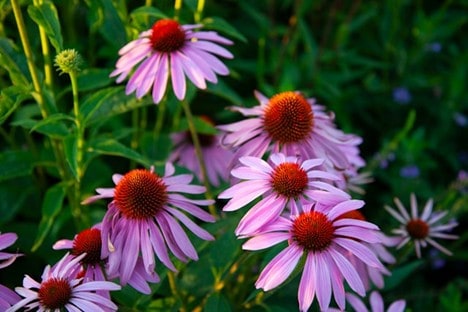
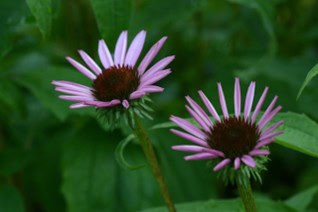
Purple Coneflower (Echinacea purpurea)

Purple coneflower is one of the most popular native perennials, known for its vibrant, daisy-like flowers and ability to attract pollinators. The plant is drought-tolerant and thrives in full sun or partial shade. Its striking purple blooms are a favorite of bees, butterflies, and other pollinators, making it a great addition to any garden focused on promoting biodiversity. Once established, purple coneflower is a low-maintenance plant, requiring little water and occasional deadheading to encourage new blooms. This hardy perennial also provides winter interest, as its seed heads attract birds.

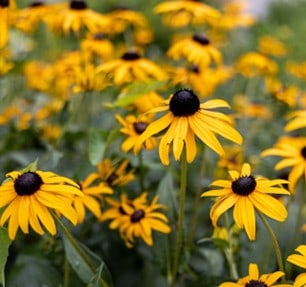
Black-eyed Susan (Rudbeckia hirta)

Another quintessential native flower, black-eyed Susan is a hardy, drought-tolerant perennial that produces bright yellow, daisy-like flowers with dark centers. These plants thrive in full sun and well-drained soil, making them an excellent choice for dry or moderately fertile areas. Black-eyed Susans are known to bloom profusely throughout the summer, providing continuous color in your garden. They are also beneficial for pollinators, attracting bees, butterflies, and birds. In addition to their beauty, these plants are deer-resistant, making them a great option for yards where wildlife browsing may be a concern.

Wild Bergamot (Monarda fistulosa)

Wild bergamot, also known as bee balm, is a striking native plant with aromatic leaves and clusters of pink to lavender-colored flowers. This plant is a magnet for pollinators, especially bees, butterflies, and hummingbirds. Wild bergamot thrives in full sun and moist, well-drained soil. It is also resistant to many common garden pests and diseases, making it an easy plant to grow. In addition to its beauty and ecological benefits, wild bergamot’s leaves have a pleasant scent, which can be used in herbal teas or as a natural insect repellent.

Butterfly Weed (Asclepias tuberosa)

If you’re looking to attract butterflies to your yard, butterfly weed is a must-have plant. This vibrant orange perennial is the primary host plant for monarch butterflies, which rely on it to lay their eggs and feed their larvae. Butterfly weed also attracts other pollinators, including bees and hummingbirds. It grows best in full sun and well-drained soil and is drought-tolerant once established. Its striking orange flowers are a perfect addition to a pollinator garden, and its long bloom period adds a pop of color to your yard. Beyond its ecological benefits, butterfly weed is also a beautiful ornamental plant that can add visual interest to any landscape.

Little Bluestem (Schizachyrium scoparium)

Little bluestem is a native grass that offers beauty, texture, and habitat value to any garden. It is a perennial grass that forms a dense clump and turns striking shades of blue, red, and purple in the fall. Little bluestem is ideal for low-maintenance landscaping because it is drought-tolerant and adapts well to a variety of soil conditions. This grass is particularly beneficial for wildlife, providing food and cover for birds and small mammals. Little bluestem thrives in full sun and can be used in naturalized areas, prairie-style gardens, or mixed with other native grasses and wildflowers for a textured, year-round landscape.

Eastern Red Columbine (Aquilegia canadensis)

For gardeners looking to add a touch of delicate beauty to their yard, Eastern red columbine is a wonderful choice. This native perennial produces vibrant red and yellow tubular flowers that attract hummingbirds, making it a great option for a wildlife-friendly garden. Eastern red columbine thrives in partially shaded areas and moist, well-drained soil. It is perfect for woodland gardens, shaded borders, or even hanging baskets. Its graceful flowers and feathery foliage bring a sense of elegance to any space, while also supporting pollinators.

New England Aster (Symphyotrichum novae-angliae)

New England aster is a striking native plant that blooms late in the season, offering a burst of color when many other plants have finished flowering. Its large, daisy-like purple or pink flowers attract pollinators, including bees, butterflies, and moths. New England asters thrive in full sun and well-drained soil, and they tolerate a wide range of soil conditions. They are an excellent addition to fall gardens, providing a late-season food source for pollinators. These perennials grow tall, making them ideal for the back of garden beds or as a focal point in mixed planting schemes.

Wild Ginger (Asarum canadense)

For those looking to add some shade-loving plants to their garden, wild ginger is a perfect choice. This native perennial grows well in moist, shady areas, making it ideal for woodland or under-tree gardens. Wild ginger has glossy, heart-shaped leaves and produces small, hidden flowers that attract pollinators. It is an excellent groundcover plant, helping to suppress weeds and add texture to shaded spaces. Wild ginger is also known for its medicinal uses and pleasant scent, making it a useful and beautiful addition to any yard.

Prairie Dropseed (Sporobolus heterolepis)

Prairie dropseed is another grass that offers texture and movement. It forms a dense, rounded clump of fine, arching leaves that turn golden-yellow in the fall. Prairie dropseed is drought-tolerant and thrives in full sun and well-drained soil. This grass is perfect for naturalistic or prairie-style gardens, providing habitat for birds and small mammals. It also works well in mixed plantings with other native grasses or wildflowers. Its fine texture and subtle movement in the breeze make it an attractive choice for garden beds or as a border plant.

Indian Grass (Sorghastrum nutans)

Indian grass is a tall perennial that can add height, structure, and year-round interest to your garden. It forms a clump of narrow, green leaves that turn a golden yellow in the fall. Its airy, golden seed heads sway gracefully in the wind, adding movement to your garden. Indian grass thrives in full sun and moist, well-drained soil, but it can also tolerate drought conditions once established. It provides important habitat for wildlife, including birds and small mammals, and is an excellent choice for prairie or meadow gardens.

Benefits of Native Plants

The beauty of native plants extends beyond their aesthetic value. They offer several environmental benefits that contribute to sustainability, conservation, and overall garden health:

  • Water Conservation: Native plants are adapted to local rainfall patterns and require less water once established compared to non-native species.
  • Soil Health: Native plants often have deep root systems that improve soil structure, enhance water retention, and reduce erosion.
  • Biodiversity: By choosing native species, you create habitats that support a wide range of local wildlife, from pollinators to birds and small mammals.
  • Low Maintenance: Since native plants are already acclimated to the local climate, they typically require less fertilizer, water, and pest management.
  • Increased Resilience: Native plants are better equipped to handle local environmental stresses, such as extreme heat, drought, or fluctuating weather patterns.

Enhance Your Garden’s Beauty with Sustainability

Incorporating native plants into your garden is one of the best ways to support the local ecosystem, reduce maintenance, and create a beautiful, sustainable landscape. By choosing plants that thrive in the region’s climate and environment, you not only contribute to environmental health but also enjoy a low-maintenance, water-efficient garden. Whether you’re a seasoned gardener or just beginning to explore the joys of gardening, native plants offer a range of options that can enhance the beauty and biodiversity of your yard while making it easier to care for.

Creating a Low-Maintenance Outdoor Space That Thrives

Creating an inviting outdoor environment doesn’t have to require constant upkeep or weekend-long yard projects. Today’s homeowners are looking for smart, sustainable solutions that blend beauty with practicality. A thoughtfully designed, low-maintenance space reduces ongoing costs and labor while providing a peaceful setting to unwind, host gatherings, and enjoy. It is possible to create a yard that thrives naturally while maintaining a strong balance between visual appeal, functionality, and environmental responsibility in Kansas City with KC landscaping professionals.

The Principles of Low-Maintenance Design

The foundation of a low-maintenance outdoor space is smart planning. This begins with understanding your property’s natural conditions, including soil type, sunlight patterns, water availability, and microclimates. By designing with these factors in mind, we’ll select plants, materials, and layouts that naturally thrive in your environment with minimal intervention.

Water management is another key principle. Incorporating efficient irrigation systems, rain gardens, or xeriscaping elements helps maintain healthy plants while conserving water. Grouping plants with similar water and light requirements reduces the risk of overwatering or neglect. Similarly, choosing native or adaptive species minimizes the need for fertilizers, pesticides, and pruning.

Hardscape choices also contribute to a low-maintenance yard. Patios, walkways, and retaining walls built from durable, weather-resistant materials provide structure and reduce areas that require intensive care. Using permeable pavers or gravel not only minimizes lawn maintenance but also supports natural drainage and reduces erosion.

Selecting the Right Plants for Longevity and Resilience

Plant selection is arguably the most important factor in creating a self-sustaining outdoor space. Native plants are often the best choice because they are adapted to local climates, pests, and soil conditions. They typically require less water, fewer nutrients, and minimal pruning. In addition, native plants support local pollinators, enhancing your yard’s ecosystem.

Perennials are another valuable option. Unlike annuals, perennials come back year after year, reducing the need for replanting and providing long-term structure and beauty. When designing with perennials, consider layering plant heights, textures, and colors to maintain visual interest without constant intervention.

Evergreen shrubs and ornamental grasses offer year-round coverage and structure, eliminating gaps during off-seasons and reducing reliance on constant replanting. Similarly, groundcover plants like creeping thyme, sedum, or vinca minor can reduce the need for mowing and limit weed growth, providing a living carpet that requires minimal upkeep.

Designing for Function and Flow

A thriving low-maintenance yard is about creating functional spaces that naturally guide use and reduce wear. Defining distinct areas for relaxation, dining, gardening, and play, ensures that hardscape elements and plant selections work together to enhance both function and flow. By intentionally designing these zones, patios, pathways, and structured plantings can naturally guide movement, support daily activities, and create a seamless, well-balanced outdoor environment. Using raised beds or contained garden areas makes planting and maintenance easier, while pathways and patios prevent foot traffic from compacting soil or damaging vegetation.

When designing outdoor spaces, think vertically as well as horizontally. Trellises, pergolas, and vertical gardens maximize usable space, reduce lawn maintenance, and can create natural shade that protects plants and reduces evaporation. Shade trees or strategically placed shrubs can also protect delicate plants from harsh sunlight, creating microclimates that reduce watering needs.

Incorporating Sustainable Practices

Sustainability is a key consideration in low-maintenance outdoor design. Composting yard waste, capturing rainwater, and reducing chemical use contribute to healthier soil and plants while reducing the environmental impact of your property. Mulching around shrubs and garden beds conserves moisture, suppresses weeds, and improves soil structure over time, all with minimal ongoing effort.

Additionally, designing with pollinators and beneficial insects in mind ensures that your garden remains self-sustaining. Flowering perennials, herbs, and native plants attract bees, butterflies, and other pollinators, reducing the need for manual fertilization and encouraging natural pest control.

Minimizing Lawn Maintenance

Lawns are often the most time-intensive part of an outdoor space. Reducing the size of traditional turf areas, replacing them with low-growing groundcover, or selecting drought-tolerant grass species can drastically cut down mowing, watering, and fertilization. Artificial turf is another option for homeowners seeking a green, uniform appearance without the ongoing effort of natural grass.

For remaining lawn areas, smart irrigation systems, soil aeration, and overseeding with resilient grass varieties ensure long-term health while minimizing labor. Consider automated sprinklers with timers and rain sensors to optimize water usage and reduce waste.

Integrating Hardscape Features

Hardscape elements are central to low-maintenance design because they define space, reduce labor, and add aesthetic value. Patios, decks, stone pathways, and retaining walls not only create functional areas but also minimize areas that require weeding, mowing, or planting. Durable materials like natural stone, concrete pavers, or composite decking resist wear and require minimal upkeep over time.

Seating areas, fire pits, and outdoor kitchens can further enhance usability without adding maintenance burdens. Selecting materials and finishes that withstand weather conditions ensures these features remain attractive and functional for years, with only occasional cleaning or sealing.

Automation and Technology

Modern outdoor technology can further reduce maintenance efforts. Automated irrigation systems, smart lighting, and soil moisture sensors allow precise control over watering schedules and plant health monitoring. These technologies save time and ensure that plants receive the optimal care without constant human intervention. Additionally, robotic lawn mowers and mulching systems can manage routine lawn care tasks with minimal labor.

Planning for Long-Term Growth

A truly low-maintenance outdoor space is designed with the future in mind. Consider how plants will grow over time, ensuring they don’t outgrow their spaces or overshadow others. Select trees and shrubs that mature to appropriate sizes and plan for seasonal pruning that can be done efficiently. Layering plantings in staggered heights and choosing plants with complementary growth rates reduce the need for constant reshaping.

Maintenance plans should also be realistic. Even low-maintenance yards require periodic inspection, pruning, fertilizing, and seasonal cleanup. By anticipating these tasks and designing with accessibility in mind, homeowners can enjoy a thriving garden without feeling overwhelmed.

Common Pitfalls to Avoid

Even with careful planning, some mistakes can undermine a low-maintenance design. Overloading the yard with exotic, high-maintenance plants increases labor and resource demands. Poor soil preparation or drainage can create chronic issues that require intervention. Additionally, neglecting to match plants to light and water conditions often results in plant loss, defeating the purpose of a low-maintenance approach.

Failing to integrate functional hardscape features or designing awkward layouts can also increase the need for maintenance, as pathways, patios, and seating areas may erode or require frequent repair. Planning for both aesthetics and practical usability ensures the yard remains manageable while retaining its beauty.

Enjoying the Benefits

A thoughtfully designed, low-maintenance outdoor space offers numerous advantages. Reduced labor and resource requirements free up time for relaxation and recreation. Healthy, resilient plants and functional spaces increase property value and create a welcoming environment for family and guests. By combining smart plant selection, durable hardscape features, efficient water management, and sustainable practices, homeowners can create an outdoor space that thrives naturally.

Creating a low-maintenance outdoor environment is not about cutting corners, it’s about smart planning, strategic plant and material choices, and leveraging technology to reduce repetitive labor. When executed thoughtfully, these spaces provide beauty, functionality, and sustainability while minimizing time spent on upkeep. The result is a yard that not only looks stunning but also supports a relaxed and enjoyable lifestyle, season after season.

Why Tree Maintenance Is Not a DIY Weekend Project

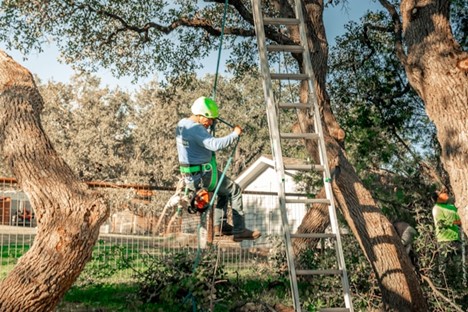
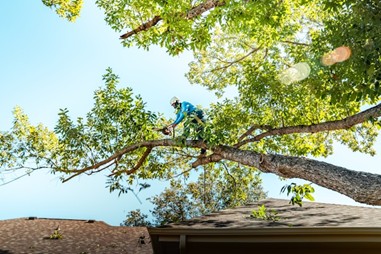
Tree care is often underestimated by homeowners who view it as a simple extension of general yard work. Ladders, chainsaws, and a free afternoon can make it tempting to treat tree trimming in Kansas City, MO as a quick weekend task rather than a specialized service. In reality, proper tree maintenance requires technical knowledge, experience, and safety awareness that go far beyond basic landscaping skills. What may appear straightforward from the ground can involve complex biological, structural, and environmental considerations that, when overlooked, can result in serious injury, property damage, or long-term harm to the tree itself.

Understanding why professional tree maintenance matters begins with recognizing that trees are living systems, not static yard features. Every cut, load shift, and intervention affects how a tree grows, heals, and withstands stress over time.

The Hidden Complexity of Tree Biology

Trees do not respond to cutting or injury in the same way grass or shrubs do. They lack the ability to regenerate damaged tissue in the way animals can. Instead, trees compartmentalize wounds, isolating damaged areas while continuing to grow around them. Improper cuts, excessive removal, or poorly timed work can overwhelm this process, leaving the tree vulnerable to decay, pests, and disease.

A trained arborist understands how trees allocate energy, how wounds close over time, and how different species respond to stress. Without this knowledge, well-intentioned homeowners may inadvertently compromise a tree’s natural defense systems. Damage caused in a single afternoon can take years to manifest, often appearing only after structural weakness or disease has already progressed.

Structural Risk Is Difficult to Assess From the Ground

One of the most dangerous aspects of DIY tree work is misjudging structural integrity. Branches that appear solid may be internally compromised by rot, insect damage, or previous storm stress. Trunks may contain hidden cavities or cracks that affect load distribution when weight shifts during cutting.

Professionals are trained to read subtle indicators such as bark patterns, branch unions, and canopy balance to assess risk before making any cuts. They understand how removing one limb can alter tension throughout the tree, potentially causing unexpected breakage or collapse.

Homeowners working without this expertise are more likely to miscalculate how branches will fall, increasing the risk of injury or damage to homes, vehicles, fences, or neighboring properties.

Safety Hazards Go Far Beyond the Chainsaw

Tree maintenance consistently ranks among the most hazardous occupations due to the combination of heights, heavy equipment, and unpredictable materials. Even small residential trees present significant safety challenges. Falls from ladders, kickback from cutting tools, and being struck by falling limbs are common causes of serious injury.

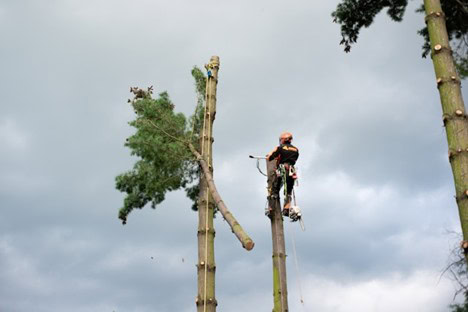
Professional crews use specialized equipment such as harnesses, ropes, helmets, and protective gear designed specifically for arboricultural work. They are trained in proper climbing techniques, rigging methods, and emergency response procedures. This level of preparation is rarely available to homeowners attempting the same tasks without formal training.

In addition to personal safety, professionals are insured and licensed, providing protection for both workers and property owners. DIY efforts carry personal liability for any injuries or damages that occur.

Improper Techniques Can Permanently Harm Trees

Many common DIY mistakes stem from a misunderstanding of how trees grow. Over-thinning, topping, or removing large limbs without regard for balance can destabilize a tree and trigger rapid, weak regrowth. This regrowth often results in dense clusters of shoots that are more prone to breakage and require more frequent intervention in the future.

Incorrect cutting locations can also prevent proper wound closure, allowing moisture and pathogens to enter the tree. Over time, this can lead to internal decay that compromises structural integrity long after the initial work is forgotten.

Professional maintenance focuses on long-term outcomes rather than short-term appearance, ensuring that each intervention supports the tree’s health and structural soundness over decades.

Species-Specific Knowledge Matters

Not all trees respond to maintenance in the same way. Growth habits, wood strength, disease susceptibility, and seasonal timing vary widely among species. What is appropriate for one type of tree may be damaging to another.

Professionals understand these distinctions and tailor their approach accordingly. They know which species tolerate heavier pruning, which require lighter touch, and which are particularly sensitive to timing. DIY approaches often apply a one-size-fits-all method that ignores these critical differences.

This lack of species-specific knowledge can result in unintended consequences, including reduced flowering, poor canopy structure, or increased vulnerability to pests.

Root Systems Are Often Overlooked

Tree maintenance is not limited to what happens above ground. Root systems play a crucial role in stability, nutrient uptake, and overall health. Activities such as soil compaction, excavation, or cutting surface roots can destabilize a tree or reduce its ability to absorb water and nutrients.

Professionals consider root zones when planning maintenance, recognizing how changes above ground affect what happens below. Homeowners may unknowingly damage roots during DIY projects, weakening trees in ways that are not immediately visible.

Understanding the relationship between roots, trunk, and canopy is essential for safe and effective care.

Environmental and Seasonal Timing Is Critical

The timing of tree work can significantly influence outcomes. Certain seasons are better suited for maintenance depending on species, climate, and local pest activity. Poorly timed work can stress trees, reduce growth, or attract insects and disease.

Professionals schedule maintenance based on environmental conditions and biological cycles, minimizing stress while maximizing recovery. DIY efforts often occur based on convenience rather than optimal timing, increasing the likelihood of negative effects.

Seasonal awareness also plays a role in safety, as weather conditions can affect footing, equipment performance, and branch behavior.

Legal and Regulatory Considerations

Tree maintenance can carry legal implications, especially in residential areas with local ordinances, homeowner association rules, or protected tree species. Removing or altering certain trees without proper permits can result in fines or legal disputes.

Professional services are familiar with local regulations and can help homeowners navigate compliance requirements. DIY efforts may inadvertently violate rules, creating legal and financial complications that outweigh any perceived cost savings.

Additionally, improperly maintained trees that later fail and cause damage may expose homeowners to liability if negligence is determined.

Long-Term Cost Implications

While DIY tree maintenance may appear cost-effective upfront, mistakes can lead to expensive consequences. Damaged trees may require corrective work, emergency removal, or replacement. Property damage and medical expenses from accidents can far exceed the cost of professional service.

Professional maintenance focuses on preventative care, identifying issues early and addressing them before they escalate. This proactive approach often reduces long-term expenses by preserving tree health and minimizing emergency interventions.

Investing in professional care is not simply about aesthetics; it is about managing risk and protecting valuable landscape assets.

Professional Expertise Supports Sustainable Landscapes

Healthy trees contribute to environmental stability, energy efficiency, and neighborhood character. Professional maintenance supports these benefits by promoting strong structure, resilience to storms, and long-term vitality.

Arborists are trained to consider ecological factors such as wildlife habitat, soil health, and climate resilience. Their work supports not only individual trees but the broader landscape ecosystem.

DIY approaches rarely account for these broader impacts, focusing instead on immediate visual results.

Understanding When Expertise Is Essential

Tree maintenance is a specialized field that combines biology, engineering, and safety management. While homeowners can perform basic yard care, trees demand a higher level of expertise due to their size, complexity, and long lifespan.

Recognizing when a task exceeds DIY capabilities is a crucial part of responsible property ownership. Professional tree maintenance ensures that work is done safely, legally, and in a way that supports long-term health rather than short-term convenience.

In residential landscapes, trees are living investments. Treating their care as a casual weekend project risks far more than it saves, while professional maintenance protects both the trees themselves and the people who live among them.

What Healthy Tree Growth Should Look Like in Residential Landscapes

Healthy trees are among the most valuable assets in a residential landscape. They provide shade, improve air quality, enhance property value, and contribute to the overall character of a neighborhood. Yet many homeowners are unsure how to tell whether their trees are thriving or quietly struggling. Understanding what healthy tree growth looks like can help property owners recognize early warning signs, make informed maintenance decisions, and preserve the long-term vitality of their landscape.

Quality tree trimming in Kansas City, MO  is reflected in a range of structural, biological, and environmental indicators that extend far beyond branch length alone. From canopy balance to root stability, healthy growth follows predictable patterns that can be observed throughout the seasons.

Balanced Canopy Structure

One of the clearest signs of a healthy tree is a well-balanced canopy. In residential landscapes, trees should display a crown that is proportionate to the trunk and evenly distributed around the central leader or main structure. A balanced canopy allows sunlight to penetrate evenly, reduces stress on major limbs, and helps the tree withstand wind and weather events.

Healthy canopies are neither excessively dense nor sparse. When branches are overcrowded, airflow becomes restricted, increasing the risk of fungal disease and pest infestations. Conversely, a canopy with large gaps or uneven growth may indicate stress, prior damage, or poor structural development. Ideally, the canopy should appear full yet open, with branches that are well-spaced and naturally arranged.

Strong Central Structure and Branch Attachment

Tree strength begins with structure. Healthy trees typically have a clearly defined trunk or central leader that supports lateral branches with strong attachment points. Branches should emerge from the trunk at appropriate angles, forming secure connections that distribute weight evenly as the tree grows.

Weak branch attachments, such as those forming narrow V-shaped unions, are more prone to splitting as the tree matures. Healthy growth favors wider branch angles, which allow wood fibers to interlock and create durable joints. Over time, trees with strong structural form are better equipped to handle snow loads, wind stress, and seasonal changes without suffering breakage. Maintaining structural integrity is particularly important, as failing limbs can pose safety risks to homes, vehicles, and people.

Consistent Annual Growth Patterns

Healthy trees demonstrate steady, predictable growth from year to year. While growth rates vary by species, climate, and soil conditions, most healthy trees produce consistent annual increases in branch length, trunk diameter, and canopy expansion.

Abrupt changes in growth rate, either rapid spurts or noticeable slowdowns, can signal underlying issues. Excessively fast growth may result from environmental stress or nutrient imbalance, leading to weaker wood. Conversely, stunted growth can indicate compacted soil, root damage, drought stress, or disease.

Observing growth patterns over multiple seasons provides valuable insight into a tree’s overall health and whether its environment is supporting long-term development.

Healthy Leaf Color and Density

Leaves are one of the most visible indicators of tree health. In a thriving tree, foliage should display consistent color, appropriate size, and seasonal timing. Leaf color varies by species, but healthy leaves are generally vibrant and uniform rather than pale, spotted, or mottled.

Premature leaf drop, discoloration, or unusually small leaves may point to nutrient deficiencies, pest activity, or root-related stress. Sparse foliage can also suggest that the tree is redirecting energy away from canopy development due to environmental pressures.

In healthy residential landscapes, leaf density should be sufficient to provide shade without appearing overcrowded. Leaves should emerge in spring, remain intact through the growing season, and transition naturally in fall according to the species.

Sound Bark and Trunk Condition

The trunk serves as the main conduit for water, nutrients, and structural support. Healthy tree trunks have intact bark without extensive cracking, peeling, or wounds. Minor surface irregularities are normal, but large areas of missing bark or deep fissures may compromise the tree’s ability to transport essential resources.

Bark damage caused by lawn equipment, construction activity, or environmental stress can open pathways for pests and disease. A healthy tree responds to minor injuries by forming protective tissue around the affected area, gradually sealing the wound.

In residential environments, protecting trunk integrity is essential for maintaining both tree health and structural safety.

Root Stability and Soil Interaction

Although roots are largely hidden from view, they play a central role in healthy growth. A stable, well-established root system anchors the tree and supplies water and nutrients needed for canopy development. Healthy trees typically show no signs of soil heaving, exposed roots, or leaning that worsens over time.

Compacted soil, poor drainage, and restricted root zones can severely limit growth, even when the canopy appears normal initially. Trees growing near driveways, sidewalks, or foundations may experience root stress if space is insufficient for natural expansion.

Healthy trees benefit from loose, well-aerated soil that allows roots to spread evenly and absorb moisture efficiently.

Natural Growth Habit and Species Characteristics

Each tree species has a natural growth habit shaped by genetics and environmental adaptation. Healthy growth respects this natural form rather than forcing trees into unnatural shapes. For example, some species develop broad, spreading crowns, while others grow upright and narrow.

When trees are allowed to follow their natural structure, they are better able to distribute weight, resist stress, and allocate energy efficiently. Attempts to drastically alter a tree’s natural habit can weaken its structure and reduce overall health.

Understanding species-specific growth patterns helps homeowners recognize what “healthy” truly looks like for the trees in their landscape.

Absence of Chronic Pests and Disease

Occasional pest activity is normal in any landscape, but healthy trees are generally resilient enough to withstand minor infestations without lasting damage. Chronic pest problems, recurring fungal infections, or repeated dieback often indicate underlying stress that weakens natural defenses.

Healthy trees benefit from proper spacing, airflow, and soil conditions that reduce the likelihood of disease spread. When a tree consistently shows signs of infestation, it may be struggling to maintain balance between growth and defense.

Early detection and professional evaluation can prevent minor issues from escalating into serious health threats.

Seasonal Adaptability and Recovery

Healthy trees respond appropriately to seasonal changes. They enter dormancy in winter, resume growth in spring, and adjust physiological processes based on temperature and moisture availability. After storms or minor damage, healthy trees typically recover by producing new growth and reinforcing weakened areas.

Trees that fail to rebound after environmental stress may be experiencing cumulative damage or declining vitality. Observing how a tree responds to seasonal challenges provides valuable clues about its long-term resilience.

Long-Term Value of Healthy Growth in Residential Landscapes

Healthy tree growth contributes directly to the beauty, safety, and value of residential properties. Well-maintained trees enhance curb appeal, provide shade that reduces energy costs, and create inviting outdoor spaces. Over time, healthy trees also require fewer corrective interventions and are less likely to pose safety risks.

By understanding what healthy growth looks like, homeowners can make informed decisions about care, recognize when professional guidance is needed, and foster landscapes that remain vibrant for decades.

Supporting Growth Through Informed Care

Promoting healthy tree growth is a long-term commitment that involves observing natural patterns, protecting soil and root systems, and addressing issues early. While trees are remarkably resilient, they depend on supportive environments and thoughtful management to thrive in residential settings.

Recognizing the signs of healthy growth empowers homeowners to act proactively rather than reactively, preserving the ecological and aesthetic benefits trees bring to residential landscapes year after year.

The Essential Guide to Low-Maintenance Landscaping for Kansas City Homeowners


Some outdoor spaces look effortless at first glance – but anyone who has ever cared for a yard in Kansas City knows there’s nothing effortless about keeping a landscape alive through scorching summers, cold snaps, sudden storms, clay-heavy soil, and the unpredictable temperament of Midwestern weather. What makes those well-kept yards feel effortless is intention: the right plants, the right structure, and the right understanding of what thrives here long after the excitement of installation fades.

That’s the foundation of this guide – not a list of shortcuts, but a practical blueprint for homeowners who want a landscape that looks polished, stays resilient, and respects their time.

Low-maintenance landscaping isn’t about doing less for the sake of doing less. It’s about doing the right things upfront so your yard works with the Kansas City climate instead of fighting it every season. And with more residents searching for landscaping in Kansas City, MO, there are solutions that balance convenience with curb appeal. This approach has become a smart, long-term strategy for homeowners across the region.

Start With a Design That Respects Kansas City Weather

The design phase determines whether a low-maintenance landscape is successful or not. Kansas City requires a design that can withstand wind, heat waves, heavy rain, and dry spells without requiring constant micromanagement.

Smart designs share a few traits:

  • Defined plant zones so watering isn’t chaotic
  • Wind-aware placement to prevent soil erosion
  • Hardscape anchors like patios and stone borders reduce high-maintenance turf
  • Efficient bed geometry that avoids awkward, hard-to-maintain corners

A thoughtful layout reduces weekly upkeep and gives the landscape a sense of structure. This is especially valuable for homeowners searching for landscaping in Kansas City, MO that prioritizes durability over decorative trends.

Choose Plants That Thrive Without Constant Attention

Selecting plants that dislike their environment is the quickest method to build a high-maintenance yard. The summers in Kansas City alone kill hundreds of species that are beautiful to look at but need constant care.

Plants that outperform others in this region include:

  • Native grasses like switchgrass and little bluestem
  • Perennials such as coneflower, black-eyed Susan, and Russian sage
  • Shrubs like spirea, barberry, and ninebark
  • Evergreens suited for Kansas City soil, such as junipers

These plants carry their own weight, and they need to be treated differently, as per that. They adapt, they rebound, and they don’t demand emotional support every time the temperature swings.

A low-maintenance strategy is never about filling space; it’s about choosing the right species for the long haul – something many landscaping professionals in Kansas City, MO emphasize when designing climate-smart yards.

Reduce Your Irrigation Load With Smarter Water Choices

Kansas City homeowners often underestimate how much water-loving plants complicate their yard. A well-planned system can reduce the weekly workload significantly.

Key methods include:

  • Drip irrigation that targets roots and reduces waste
  • Mulching to retain moisture and stabilize soil temperature
  • Grouping plants by water requirements
  • Choosing drought-tolerant varieties that handle heat with composure

Simple actions, such as moving your watering schedule to the early morning, can keep your yard healthy without requiring constant hose work or high-water expenditures.

Hardscapes That Work Harder Than Turf

Lawn areas look clean and open, but they’re often the most demanding part of a yard. Turf needs mowing, edging, feeding, watering, and seasonal repair – none of which scream “low maintenance.”

Hardscapes, on the other hand, redefine ease:

  • Stone pathways
  • Gravel beds
  • Mulched seating areas
  • Decorative rock borders
  • Paver patios

These features maintain a polished look with minimal effort, and they pair well with native plantings for a natural yet refined aesthetic. Several landscaping experts in Kansas City, MO, now design around this philosophy because it supports beauty without constant labor.

Build Your Yard Around Sustainability, Not Shortcuts

Even the most carefully planned yard requires some upkeep, but a well-designed landscape makes the chores more manageable and less like a full-time job.

A practical low-maintenance regimen consists of:

  • Seasonal pruning
  • Occasional mulch refresh
  • Light weeding
  • Annual inspection of irrigation components

This shift – from high-demand gardens to intuitive systems – is exactly why landscaping in Kansas City, MO has become a category where smart design equals effortless long-term results.

Final Thought: A Landscape That Respects Your Time

A beautiful yard shouldn’t demand constant negotiation. The right choices at the beginning—native plants, strong structure, efficient irrigation, and climate-aware design – create an outdoor space that stays attractive without demanding endless hours.

Low-maintenance landscaping isn’t about compromise; it’s about strategy. And when done well, it reflects a homeowner who values both beauty and balance.

Soil Care Practices That Help Grass Thrive


A vibrant, healthy lawn doesn’t start at the surface, it begins beneath the soil. Proper soil care is essential for strong roots, resilient grass, and a lush, green yard. One of the most effective ways to support your lawn is professional aeration, which loosens compacted soil and allows water, nutrients, and oxygen to reach the root system. By implementing smart soil care practices, you can encourage deep root growth, improve nutrient absorption, and create a lawn that can withstand stress from drought, pests, and foot traffic.

Understanding Your Soil

Before you can improve your lawn, it’s important to understand the type of soil you have. Soil can generally be classified into three main types: sandy, clay, and loam.

  • Sandy soils drain quickly but struggle to retain nutrients and moisture.
  • Clay soils hold water and nutrients well but are prone to compaction, which limits root growth.
  • Loam soils offer a balanced mix of sand, silt, and clay and are ideal for most grass types.

A soil test is a simple yet valuable step that can identify nutrient deficiencies, pH imbalances, and texture concerns. Testing allows you to tailor your care practices, ensuring that your lawn receives the nutrients it needs to thrive.

Nutrient Management

Grass requires essential nutrients, primarily nitrogen, phosphorus, and potassium, to grow strong and healthy. Fertilizing correctly is crucial for maintaining soil fertility and encouraging vibrant turf.

  • Nitrogen promotes leafy, green growth.
  • Phosphorus supports root development and establishment.
  • Potassium strengthens stress resistance and overall plant health.

Applying the right fertilizer at the appropriate time of year ensures that nutrients are available when grass is actively growing. Slow-release fertilizers are especially beneficial because they provide a steady supply of nutrients, reducing the risk of burn and promoting long-term health.

Organic Matter and Compost

Incorporating organic matter into your soil is one of the most effective ways to improve its structure and fertility. Compost enriches the soil, increases moisture retention, and encourages beneficial microbial activity.

Top-dressing your lawn with a thin layer of compost can help break up compacted areas, create a nutrient-rich environment, and support healthy root growth. Over time, this practice can significantly enhance the resilience and density of your grass.

Water Management

Even nutrient-rich soil won’t produce healthy grass without proper water management. Grass roots need deep, consistent moisture to grow strong, yet overwatering can lead to shallow roots and increase susceptibility to disease.

  • Deep, infrequent watering encourages roots to grow downward, making the lawn more drought-resistant.
  • Watering in the early morning reduces evaporation and limits the risk of fungal issues.

Pairing proper watering techniques with soil care practices ensures that nutrients are efficiently absorbed and that the lawn remains healthy through seasonal stressors.

Reducing Soil Compaction

Soil compaction restricts root growth, limits oxygen, and reduces nutrient absorption. While mechanical solutions are common, other methods can also help maintain loose, healthy soil.

  • Light tilling in bare spots or seedbeds can loosen soil for better root penetration.
  • Adding organic matter helps improve soil texture over time.
  • Reducing heavy foot traffic or moving equipment regularly prevents compaction in high-use areas.

Healthy, uncompacted soil supports deeper roots, denser grass, and better overall lawn performance.

Managing Thatch

Thatch is a layer of dead grass, roots, and organic material that can build up on the soil surface. While a thin layer of thatch can protect roots, excessive accumulation prevents water and nutrients from reaching the soil.

Regular dethatching or raking removes excess debris, allowing moisture and nutrients to penetrate the root zone. This simple practice complements other soil care techniques, ensuring that grass receives the resources it needs to thrive.

Microbial Life and Soil Health

A healthy lawn isn’t just about grass, it’s also about the microbial ecosystem within the soil. Beneficial bacteria, fungi, and other microorganisms break down organic matter, release nutrients, and improve soil structure.

Adding compost, mulching clippings, or using bio-stimulants can support microbial activity. Encouraging a thriving soil ecosystem enhances nutrient availability, strengthens roots, and helps grass withstand stress from environmental pressures.

Seasonal Maintenance

Soil care should adapt to seasonal changes. In spring, focus on loosening soil and adding nutrients to support early growth. During summer, manage water efficiently and monitor for compaction or heat stress. In the fall, overseeding and applying organic amendments prepare the lawn for winter dormancy and encourage strong root development for the next growing season.

Attentive Soil Care

Thick, vibrant grass doesn’t happen by chance, it starts with attentive soil care. By understanding your soil type, managing nutrients, adding organic matter, controlling water, reducing compaction, managing thatch, and supporting microbial life, you create an environment where roots can thrive and grass can flourish.

Healthy soil is the foundation of a resilient, green lawn. With consistent care and attention to these practices, homeowners can enjoy a lush, durable lawn that looks great and stands up to the challenges of weather, pests, and heavy use. Investing in soil health is an investment in the long-term beauty and vitality of your yard.