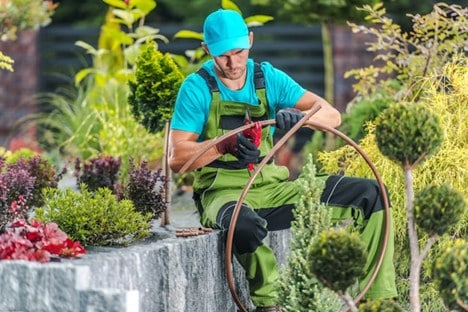
Creating an inviting outdoor environment doesn’t have to require constant upkeep or weekend-long yard projects. Today’s homeowners are looking for smart, sustainable solutions that blend beauty with practicality. A thoughtfully designed, low-maintenance space reduces ongoing costs and labor while providing a peaceful setting to unwind, host gatherings, and enjoy. It is possible to create a yard that thrives naturally while maintaining a strong balance between visual appeal, functionality, and environmental responsibility in Kansas City with KC landscaping professionals.
The Principles of Low-Maintenance Design
The foundation of a low-maintenance outdoor space is smart planning. This begins with understanding your property’s natural conditions, including soil type, sunlight patterns, water availability, and microclimates. By designing with these factors in mind, we’ll select plants, materials, and layouts that naturally thrive in your environment with minimal intervention.
Water management is another key principle. Incorporating efficient irrigation systems, rain gardens, or xeriscaping elements helps maintain healthy plants while conserving water. Grouping plants with similar water and light requirements reduces the risk of overwatering or neglect. Similarly, choosing native or adaptive species minimizes the need for fertilizers, pesticides, and pruning.
Hardscape choices also contribute to a low-maintenance yard. Patios, walkways, and retaining walls built from durable, weather-resistant materials provide structure and reduce areas that require intensive care. Using permeable pavers or gravel not only minimizes lawn maintenance but also supports natural drainage and reduces erosion.
Selecting the Right Plants for Longevity and Resilience
Plant selection is arguably the most important factor in creating a self-sustaining outdoor space. Native plants are often the best choice because they are adapted to local climates, pests, and soil conditions. They typically require less water, fewer nutrients, and minimal pruning. In addition, native plants support local pollinators, enhancing your yard’s ecosystem.
Perennials are another valuable option. Unlike annuals, perennials come back year after year, reducing the need for replanting and providing long-term structure and beauty. When designing with perennials, consider layering plant heights, textures, and colors to maintain visual interest without constant intervention.
Evergreen shrubs and ornamental grasses offer year-round coverage and structure, eliminating gaps during off-seasons and reducing reliance on constant replanting. Similarly, groundcover plants like creeping thyme, sedum, or vinca minor can reduce the need for mowing and limit weed growth, providing a living carpet that requires minimal upkeep.
Designing for Function and Flow
A thriving low-maintenance yard is about creating functional spaces that naturally guide use and reduce wear. Defining distinct areas for relaxation, dining, gardening, and play, ensures that hardscape elements and plant selections work together to enhance both function and flow. By intentionally designing these zones, patios, pathways, and structured plantings can naturally guide movement, support daily activities, and create a seamless, well-balanced outdoor environment. Using raised beds or contained garden areas makes planting and maintenance easier, while pathways and patios prevent foot traffic from compacting soil or damaging vegetation.
When designing outdoor spaces, think vertically as well as horizontally. Trellises, pergolas, and vertical gardens maximize usable space, reduce lawn maintenance, and can create natural shade that protects plants and reduces evaporation. Shade trees or strategically placed shrubs can also protect delicate plants from harsh sunlight, creating microclimates that reduce watering needs.
Incorporating Sustainable Practices
Sustainability is a key consideration in low-maintenance outdoor design. Composting yard waste, capturing rainwater, and reducing chemical use contribute to healthier soil and plants while reducing the environmental impact of your property. Mulching around shrubs and garden beds conserves moisture, suppresses weeds, and improves soil structure over time, all with minimal ongoing effort.
Additionally, designing with pollinators and beneficial insects in mind ensures that your garden remains self-sustaining. Flowering perennials, herbs, and native plants attract bees, butterflies, and other pollinators, reducing the need for manual fertilization and encouraging natural pest control.
Minimizing Lawn Maintenance
Lawns are often the most time-intensive part of an outdoor space. Reducing the size of traditional turf areas, replacing them with low-growing groundcover, or selecting drought-tolerant grass species can drastically cut down mowing, watering, and fertilization. Artificial turf is another option for homeowners seeking a green, uniform appearance without the ongoing effort of natural grass.
For remaining lawn areas, smart irrigation systems, soil aeration, and overseeding with resilient grass varieties ensure long-term health while minimizing labor. Consider automated sprinklers with timers and rain sensors to optimize water usage and reduce waste.
Integrating Hardscape Features
Hardscape elements are central to low-maintenance design because they define space, reduce labor, and add aesthetic value. Patios, decks, stone pathways, and retaining walls not only create functional areas but also minimize areas that require weeding, mowing, or planting. Durable materials like natural stone, concrete pavers, or composite decking resist wear and require minimal upkeep over time.
Seating areas, fire pits, and outdoor kitchens can further enhance usability without adding maintenance burdens. Selecting materials and finishes that withstand weather conditions ensures these features remain attractive and functional for years, with only occasional cleaning or sealing.
Automation and Technology
Modern outdoor technology can further reduce maintenance efforts. Automated irrigation systems, smart lighting, and soil moisture sensors allow precise control over watering schedules and plant health monitoring. These technologies save time and ensure that plants receive the optimal care without constant human intervention. Additionally, robotic lawn mowers and mulching systems can manage routine lawn care tasks with minimal labor.
Planning for Long-Term Growth
A truly low-maintenance outdoor space is designed with the future in mind. Consider how plants will grow over time, ensuring they don’t outgrow their spaces or overshadow others. Select trees and shrubs that mature to appropriate sizes and plan for seasonal pruning that can be done efficiently. Layering plantings in staggered heights and choosing plants with complementary growth rates reduce the need for constant reshaping.
Maintenance plans should also be realistic. Even low-maintenance yards require periodic inspection, pruning, fertilizing, and seasonal cleanup. By anticipating these tasks and designing with accessibility in mind, homeowners can enjoy a thriving garden without feeling overwhelmed.
Common Pitfalls to Avoid
Even with careful planning, some mistakes can undermine a low-maintenance design. Overloading the yard with exotic, high-maintenance plants increases labor and resource demands. Poor soil preparation or drainage can create chronic issues that require intervention. Additionally, neglecting to match plants to light and water conditions often results in plant loss, defeating the purpose of a low-maintenance approach.
Failing to integrate functional hardscape features or designing awkward layouts can also increase the need for maintenance, as pathways, patios, and seating areas may erode or require frequent repair. Planning for both aesthetics and practical usability ensures the yard remains manageable while retaining its beauty.
Enjoying the Benefits
A thoughtfully designed, low-maintenance outdoor space offers numerous advantages. Reduced labor and resource requirements free up time for relaxation and recreation. Healthy, resilient plants and functional spaces increase property value and create a welcoming environment for family and guests. By combining smart plant selection, durable hardscape features, efficient water management, and sustainable practices, homeowners can create an outdoor space that thrives naturally.
Creating a low-maintenance outdoor environment is not about cutting corners, it’s about smart planning, strategic plant and material choices, and leveraging technology to reduce repetitive labor. When executed thoughtfully, these spaces provide beauty, functionality, and sustainability while minimizing time spent on upkeep. The result is a yard that not only looks stunning but also supports a relaxed and enjoyable lifestyle, season after season.