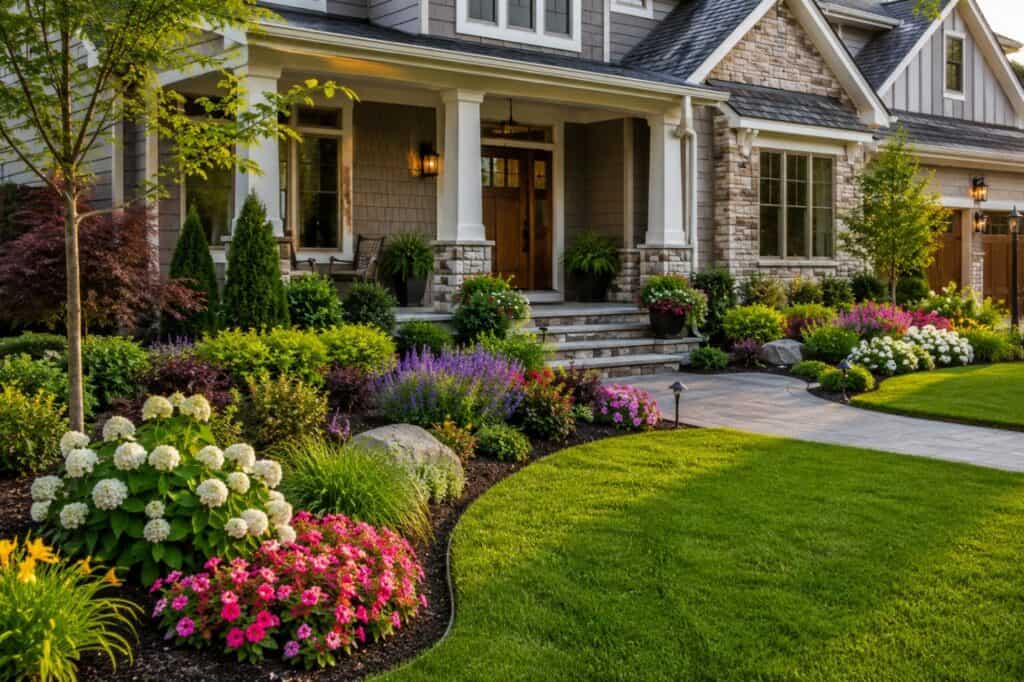
Many homeowners dream of a beautiful outdoor space but worry about the time and effort required to keep it looking its best. Between mowing, pruning, watering, weeding, and seasonal cleanup, yard care can quickly become a significant commitment. Fortunately, thoughtful planning can dramatically reduce maintenance without diminishing visual appeal. If you’re considering landscaping in Kansas City for a new home or looking to refresh an existing property, the key is designing an outdoor environment that works with nature rather than against it.
Start with a Thoughtful Design
Every successful outdoor project begins with a well-planned design. Instead of simply filling available space with plants, consider how each area will function over time.
Think about how you use your yard. Areas that receive frequent foot traffic may benefit from wider walkways or patios instead of large expanses of grass. Decorative beds should be positioned where they can be easily accessed for occasional maintenance. Grouping plants with similar water and sunlight requirements also simplifies long-term care.
Planning with maintenance in mind helps prevent future challenges and ensures every feature serves a purpose.
Choose Plants That Thrive Naturally
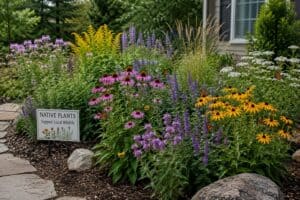
One of the easiest ways to reduce long-term maintenance is by selecting plants that are naturally suited to your local climate and growing conditions. The U.S. Environmental Protection Agency recommends using regionally appropriate, low-water-use, and native plants because, once established, they typically require little additional watering beyond normal rainfall.
The EPA also notes that native plants are adapted to local soils and climate conditions, meaning they rarely require added fertilizer and are generally more resistant to pests and diseases than many non-native species. By choosing native and regionally adapted varieties, homeowners can spend less time watering, fertilizing, pruning, and managing pests while creating a healthier, more resilient outdoor environment. Perennials further reduce yearly maintenance because they return each growing season without the need for replanting.
Reduce the Amount of Lawn
While a lush lawn can be attractive, it is often the most maintenance-intensive feature on a property.
Large grassy areas require regular mowing, watering, fertilizing, weed control, and seasonal treatments.
Replacing portions of turf with other elements can dramatically reduce ongoing maintenance while adding visual interest.
Consider incorporating:
- Decorative planting beds
- Ground covers
- Mulched islands
- Natural stone features
- Patios
- Seating areas
- Gravel pathways
These additions break up large lawns while creating a more dynamic outdoor environment.
Use Mulch to Your Advantage
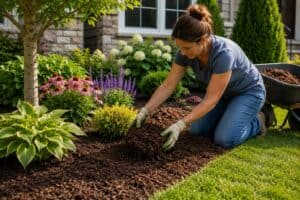
Mulch is one of the simplest yet most effective tools for reducing long-term maintenance while promoting healthier plant growth. A properly applied layer of mulch helps suppress weed growth by blocking sunlight from reaching weed seeds, retain soil moisture by reducing evaporation, moderate soil temperatures during periods of extreme heat and cold, reduce soil erosion caused by rain and wind, and improve soil health as organic mulch gradually decomposes.
Together, these benefits create a healthier growing environment while significantly reducing the amount of routine yard work required. Instead of spending hours pulling weeds throughout the growing season, homeowners often find that refreshing the mulch once each year is enough to keep planting beds looking neat and well-maintained.
Invest in Quality Hardscapes
Hardscape features provide long-term beauty without the constant care required by living plants. Patios, retaining walls, walkways, decorative stone borders, and outdoor gathering spaces add structure while reducing the amount of the yard that requires regular upkeep. Their appeal extends beyond maintenance as well.
According to the National Association of Realtors’ Remodeling Impact Report, homeowners gave the addition of a new patio a Joy Score of 9.9 out of 10, reflecting the significant satisfaction these outdoor improvements can provide. Durable materials such as natural stone, concrete pavers, and brick can last for decades with only occasional cleaning or minor maintenance. Hardscape features also help define outdoor spaces, making the entire property feel more organized, functional, and enjoyable for everyday use.
Group Plants by Their Needs
A common mistake is placing plants with vastly different requirements next to one another.
For example, moisture-loving plants may be installed beside drought-tolerant shrubs, making watering inefficient for both.
Instead, organize plantings according to:
- Water requirements
- Sun exposure
- Soil preferences
- Growth habits
This technique, sometimes called hydro-zoning, simplifies irrigation and encourages healthier plant growth while reducing wasted water.
Incorporate Evergreens for Year-Round Interest
Many homeowners rely heavily on flowering plants that provide vibrant color for only a few weeks each year. While these blooms can be beautiful, incorporating evergreens into the design adds structure and visual interest that lasts throughout every season.
Evergreen trees and shrubs offer year-round privacy screening, maintain greenery during the winter months, provide natural wind protection, and serve as an attractive backdrop that allows seasonal flowers to stand out even more.
By combining evergreen plantings with flowering perennials and ornamental grasses, homeowners can create an outdoor space that evolves with the seasons while maintaining a balanced, attractive appearance without the need for frequent replacement.
Install Efficient Irrigation
Watering is often one of the most time-consuming aspects of maintaining a yard.
Modern irrigation technology helps deliver water more efficiently while reducing manual labor.
Smart controllers, weather sensors, and drip irrigation systems adjust watering schedules based on rainfall and environmental conditions.
These systems help avoid overwatering while keeping plants healthy during dry periods.
Routine inspections also ensure equipment continues operating efficiently and conserves water over time.
Select Slow-Growing Shrubs and Trees
Not every tree or shrub grows at the same pace. Fast-growing species often require frequent pruning to maintain their shape and prevent overcrowding. Slow-growing varieties generally need less trimming while maintaining a more consistent appearance.
Before planting, consider each species’ mature height and width.
Choosing plants that fit the available space reduces future maintenance and eliminates the need for aggressive pruning.
Keep Planting Beds Simple
It’s tempting to include dozens of plant varieties in a single garden bed. However, overly complex designs often require significantly more maintenance.
A simpler approach creates cleaner visual lines while making long-term care easier.
Repeating a limited selection of complementary plants throughout the property creates unity and elegance without overwhelming the space. This approach also simplifies seasonal maintenance because similar plants typically require similar care.
Plan for Seasonal Changes
A truly low-maintenance outdoor environment should remain attractive throughout every season, not just during the spring. When selecting plants, consider varieties that provide visual interest year-round, including summer blooms, colorful fall foliage, winter berries, evergreen texture, ornamental bark, and seed heads that add character during the colder months.
By incorporating plants with different seasonal features, you can create an outdoor space that continually evolves while reducing the need for frequent replacements or seasonal updates. Designing for four-season appeal helps ensure the property remains beautiful and inviting throughout the year with less ongoing maintenance.
Improve Soil Health
Healthy soil forms the foundation of every successful outdoor space.
Plants growing in nutrient-rich, well-drained soil typically require:
- Less watering
- Less fertilization
- Fewer pest treatments
- Better disease resistance
Adding compost and organic matter improves soil structure while encouraging stronger root systems.
Healthier plants naturally require less intervention throughout the growing season.
Think About Long-Term Growth
Many outdoor projects look perfect immediately after installation because plants are still small. Five or ten years later, overcrowding often becomes a maintenance headache.
Proper spacing allows plants to reach their mature size without competing for sunlight, water, or nutrients. Adequate spacing also improves air circulation, reducing the likelihood of fungal diseases while minimizing the need for continual pruning.
Planning for mature growth saves considerable time and expense in the future.
Use Decorative Stone Strategically
Decorative rock can be an attractive alternative to traditional mulch in certain areas.
Stone works especially well around:
- Drainage features
- Walkways
- Foundation beds
- Dry creek beds
- Xeriscape gardens
Unlike organic mulch, decorative stone does not decompose and requires infrequent replacement.
Combining stone with drought-tolerant plants creates an attractive appearance while reducing long-term upkeep.
Don’t Forget Outdoor Lighting
Landscape lighting enhances both beauty and functionality without adding maintenance.
LED fixtures consume little energy and often last for many years before requiring replacement.
Thoughtfully placed lighting highlights architectural features, walkways, mature trees, and planting beds while improving nighttime safety.
Timers and smart controls further reduce the need for manual operation.
Maintain Regularly But Less Often
Low maintenance does not mean maintenance-free.
Even the most carefully planned outdoor environment benefits from periodic attention.
Routine tasks such as inspecting irrigation equipment, refreshing mulch, removing occasional weeds, trimming damaged branches, and cleaning hardscape surfaces help prevent larger problems from developing.
Because the overall design emphasizes durable materials, appropriate plant selection, and efficient resource management, these routine tasks become far less demanding than maintaining a traditional, high-maintenance yard.
Beauty Through Smart Planning
Creating a beautiful outdoor environment does not require constant work. By choosing plants that naturally thrive in local conditions, incorporating durable hardscape features, improving soil health, reducing unnecessary turf, and designing with long-term growth in mind, homeowners can enjoy an attractive property with significantly less upkeep.
The most successful outdoor spaces strike a balance between aesthetics and practicality. Rather than demanding continual attention, they are designed to mature gracefully, adapt to seasonal changes, and remain visually appealing year after year. With thoughtful planning and quality installation, a low-maintenance landscape can deliver lasting beauty, conserve resources, and provide more time to enjoy the outdoors instead of working in it.