Why Tree Maintenance Is Not a DIY Weekend Project

Tree care is often underestimated by homeowners who view it as a simple extension of general yard work. Ladders, chainsaws, and a free afternoon can make it tempting to treat tree trimming in Kansas City, MO as a quick weekend task rather than a specialized service. In reality, proper tree maintenance requires technical knowledge, experience, and safety awareness that go far beyond basic landscaping skills. What may appear straightforward from the ground can involve complex biological, structural, and environmental considerations that, when overlooked, can result in serious injury, property damage, or long-term harm to the tree itself.

Understanding why professional tree maintenance matters begins with recognizing that trees are living systems, not static yard features. Every cut, load shift, and intervention affects how a tree grows, heals, and withstands stress over time.

The Hidden Complexity of Tree Biology

Trees do not respond to cutting or injury in the same way grass or shrubs do. They lack the ability to regenerate damaged tissue in the way animals can. Instead, trees compartmentalize wounds, isolating damaged areas while continuing to grow around them. Improper cuts, excessive removal, or poorly timed work can overwhelm this process, leaving the tree vulnerable to decay, pests, and disease.

A trained arborist understands how trees allocate energy, how wounds close over time, and how different species respond to stress. Without this knowledge, well-intentioned homeowners may inadvertently compromise a tree’s natural defense systems. Damage caused in a single afternoon can take years to manifest, often appearing only after structural weakness or disease has already progressed.

Structural Risk Is Difficult to Assess From the Ground

One of the most dangerous aspects of DIY tree work is misjudging structural integrity. Branches that appear solid may be internally compromised by rot, insect damage, or previous storm stress. Trunks may contain hidden cavities or cracks that affect load distribution when weight shifts during cutting.

Professionals are trained to read subtle indicators such as bark patterns, branch unions, and canopy balance to assess risk before making any cuts. They understand how removing one limb can alter tension throughout the tree, potentially causing unexpected breakage or collapse.

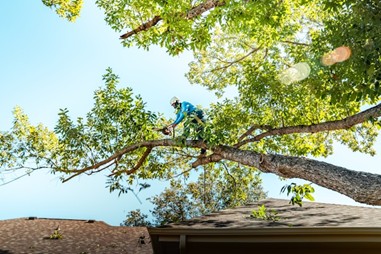
Homeowners working without this expertise are more likely to miscalculate how branches will fall, increasing the risk of injury or damage to homes, vehicles, fences, or neighboring properties.

Safety Hazards Go Far Beyond the Chainsaw

Tree maintenance consistently ranks among the most hazardous occupations due to the combination of heights, heavy equipment, and unpredictable materials. Even small residential trees present significant safety challenges. Falls from ladders, kickback from cutting tools, and being struck by falling limbs are common causes of serious injury.

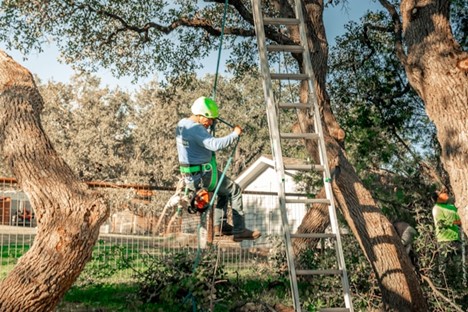
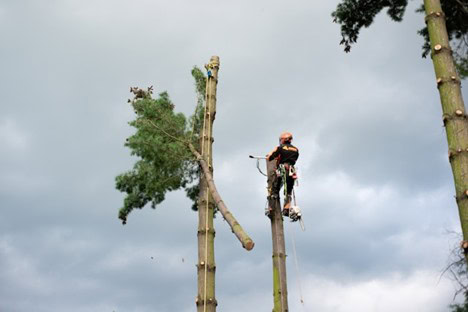
Professional crews use specialized equipment such as harnesses, ropes, helmets, and protective gear designed specifically for arboricultural work. They are trained in proper climbing techniques, rigging methods, and emergency response procedures. This level of preparation is rarely available to homeowners attempting the same tasks without formal training.

In addition to personal safety, professionals are insured and licensed, providing protection for both workers and property owners. DIY efforts carry personal liability for any injuries or damages that occur.

Improper Techniques Can Permanently Harm Trees

Many common DIY mistakes stem from a misunderstanding of how trees grow. Over-thinning, topping, or removing large limbs without regard for balance can destabilize a tree and trigger rapid, weak regrowth. This regrowth often results in dense clusters of shoots that are more prone to breakage and require more frequent intervention in the future.

Incorrect cutting locations can also prevent proper wound closure, allowing moisture and pathogens to enter the tree. Over time, this can lead to internal decay that compromises structural integrity long after the initial work is forgotten.

Professional maintenance focuses on long-term outcomes rather than short-term appearance, ensuring that each intervention supports the tree’s health and structural soundness over decades.

Species-Specific Knowledge Matters

Not all trees respond to maintenance in the same way. Growth habits, wood strength, disease susceptibility, and seasonal timing vary widely among species. What is appropriate for one type of tree may be damaging to another.

Professionals understand these distinctions and tailor their approach accordingly. They know which species tolerate heavier pruning, which require lighter touch, and which are particularly sensitive to timing. DIY approaches often apply a one-size-fits-all method that ignores these critical differences.

This lack of species-specific knowledge can result in unintended consequences, including reduced flowering, poor canopy structure, or increased vulnerability to pests.

Root Systems Are Often Overlooked

Tree maintenance is not limited to what happens above ground. Root systems play a crucial role in stability, nutrient uptake, and overall health. Activities such as soil compaction, excavation, or cutting surface roots can destabilize a tree or reduce its ability to absorb water and nutrients.

Professionals consider root zones when planning maintenance, recognizing how changes above ground affect what happens below. Homeowners may unknowingly damage roots during DIY projects, weakening trees in ways that are not immediately visible.

Understanding the relationship between roots, trunk, and canopy is essential for safe and effective care.

Environmental and Seasonal Timing Is Critical

The timing of tree work can significantly influence outcomes. Certain seasons are better suited for maintenance depending on species, climate, and local pest activity. Poorly timed work can stress trees, reduce growth, or attract insects and disease.

Professionals schedule maintenance based on environmental conditions and biological cycles, minimizing stress while maximizing recovery. DIY efforts often occur based on convenience rather than optimal timing, increasing the likelihood of negative effects.

Seasonal awareness also plays a role in safety, as weather conditions can affect footing, equipment performance, and branch behavior.

Legal and Regulatory Considerations

Tree maintenance can carry legal implications, especially in residential areas with local ordinances, homeowner association rules, or protected tree species. Removing or altering certain trees without proper permits can result in fines or legal disputes.

Professional services are familiar with local regulations and can help homeowners navigate compliance requirements. DIY efforts may inadvertently violate rules, creating legal and financial complications that outweigh any perceived cost savings.

Additionally, improperly maintained trees that later fail and cause damage may expose homeowners to liability if negligence is determined.

Long-Term Cost Implications

While DIY tree maintenance may appear cost-effective upfront, mistakes can lead to expensive consequences. Damaged trees may require corrective work, emergency removal, or replacement. Property damage and medical expenses from accidents can far exceed the cost of professional service.

Professional maintenance focuses on preventative care, identifying issues early and addressing them before they escalate. This proactive approach often reduces long-term expenses by preserving tree health and minimizing emergency interventions.

Investing in professional care is not simply about aesthetics; it is about managing risk and protecting valuable landscape assets.

Professional Expertise Supports Sustainable Landscapes

Healthy trees contribute to environmental stability, energy efficiency, and neighborhood character. Professional maintenance supports these benefits by promoting strong structure, resilience to storms, and long-term vitality.

Arborists are trained to consider ecological factors such as wildlife habitat, soil health, and climate resilience. Their work supports not only individual trees but the broader landscape ecosystem.

DIY approaches rarely account for these broader impacts, focusing instead on immediate visual results.

Understanding When Expertise Is Essential

Tree maintenance is a specialized field that combines biology, engineering, and safety management. While homeowners can perform basic yard care, trees demand a higher level of expertise due to their size, complexity, and long lifespan.

Recognizing when a task exceeds DIY capabilities is a crucial part of responsible property ownership. Professional tree maintenance ensures that work is done safely, legally, and in a way that supports long-term health rather than short-term convenience.

In residential landscapes, trees are living investments. Treating their care as a casual weekend project risks far more than it saves, while professional maintenance protects both the trees themselves and the people who live among them.

What Healthy Tree Growth Should Look Like in Residential Landscapes

Healthy trees are among the most valuable assets in a residential landscape. They provide shade, improve air quality, enhance property value, and contribute to the overall character of a neighborhood. Yet many homeowners are unsure how to tell whether their trees are thriving or quietly struggling. Understanding what healthy tree growth looks like can help property owners recognize early warning signs, make informed maintenance decisions, and preserve the long-term vitality of their landscape.

Quality tree trimming in Kansas City, MO  is reflected in a range of structural, biological, and environmental indicators that extend far beyond branch length alone. From canopy balance to root stability, healthy growth follows predictable patterns that can be observed throughout the seasons.

Balanced Canopy Structure

One of the clearest signs of a healthy tree is a well-balanced canopy. In residential landscapes, trees should display a crown that is proportionate to the trunk and evenly distributed around the central leader or main structure. A balanced canopy allows sunlight to penetrate evenly, reduces stress on major limbs, and helps the tree withstand wind and weather events.

Healthy canopies are neither excessively dense nor sparse. When branches are overcrowded, airflow becomes restricted, increasing the risk of fungal disease and pest infestations. Conversely, a canopy with large gaps or uneven growth may indicate stress, prior damage, or poor structural development. Ideally, the canopy should appear full yet open, with branches that are well-spaced and naturally arranged.

Strong Central Structure and Branch Attachment

Tree strength begins with structure. Healthy trees typically have a clearly defined trunk or central leader that supports lateral branches with strong attachment points. Branches should emerge from the trunk at appropriate angles, forming secure connections that distribute weight evenly as the tree grows.

Weak branch attachments, such as those forming narrow V-shaped unions, are more prone to splitting as the tree matures. Healthy growth favors wider branch angles, which allow wood fibers to interlock and create durable joints. Over time, trees with strong structural form are better equipped to handle snow loads, wind stress, and seasonal changes without suffering breakage. Maintaining structural integrity is particularly important, as failing limbs can pose safety risks to homes, vehicles, and people.

Consistent Annual Growth Patterns

Healthy trees demonstrate steady, predictable growth from year to year. While growth rates vary by species, climate, and soil conditions, most healthy trees produce consistent annual increases in branch length, trunk diameter, and canopy expansion.

Abrupt changes in growth rate, either rapid spurts or noticeable slowdowns, can signal underlying issues. Excessively fast growth may result from environmental stress or nutrient imbalance, leading to weaker wood. Conversely, stunted growth can indicate compacted soil, root damage, drought stress, or disease.

Observing growth patterns over multiple seasons provides valuable insight into a tree’s overall health and whether its environment is supporting long-term development.

Healthy Leaf Color and Density

Leaves are one of the most visible indicators of tree health. In a thriving tree, foliage should display consistent color, appropriate size, and seasonal timing. Leaf color varies by species, but healthy leaves are generally vibrant and uniform rather than pale, spotted, or mottled.

Premature leaf drop, discoloration, or unusually small leaves may point to nutrient deficiencies, pest activity, or root-related stress. Sparse foliage can also suggest that the tree is redirecting energy away from canopy development due to environmental pressures.

In healthy residential landscapes, leaf density should be sufficient to provide shade without appearing overcrowded. Leaves should emerge in spring, remain intact through the growing season, and transition naturally in fall according to the species.

Sound Bark and Trunk Condition

The trunk serves as the main conduit for water, nutrients, and structural support. Healthy tree trunks have intact bark without extensive cracking, peeling, or wounds. Minor surface irregularities are normal, but large areas of missing bark or deep fissures may compromise the tree’s ability to transport essential resources.

Bark damage caused by lawn equipment, construction activity, or environmental stress can open pathways for pests and disease. A healthy tree responds to minor injuries by forming protective tissue around the affected area, gradually sealing the wound.

In residential environments, protecting trunk integrity is essential for maintaining both tree health and structural safety.

Root Stability and Soil Interaction

Although roots are largely hidden from view, they play a central role in healthy growth. A stable, well-established root system anchors the tree and supplies water and nutrients needed for canopy development. Healthy trees typically show no signs of soil heaving, exposed roots, or leaning that worsens over time.

Compacted soil, poor drainage, and restricted root zones can severely limit growth, even when the canopy appears normal initially. Trees growing near driveways, sidewalks, or foundations may experience root stress if space is insufficient for natural expansion.

Healthy trees benefit from loose, well-aerated soil that allows roots to spread evenly and absorb moisture efficiently.

Natural Growth Habit and Species Characteristics

Each tree species has a natural growth habit shaped by genetics and environmental adaptation. Healthy growth respects this natural form rather than forcing trees into unnatural shapes. For example, some species develop broad, spreading crowns, while others grow upright and narrow.

When trees are allowed to follow their natural structure, they are better able to distribute weight, resist stress, and allocate energy efficiently. Attempts to drastically alter a tree’s natural habit can weaken its structure and reduce overall health.

Understanding species-specific growth patterns helps homeowners recognize what “healthy” truly looks like for the trees in their landscape.

Absence of Chronic Pests and Disease

Occasional pest activity is normal in any landscape, but healthy trees are generally resilient enough to withstand minor infestations without lasting damage. Chronic pest problems, recurring fungal infections, or repeated dieback often indicate underlying stress that weakens natural defenses.

Healthy trees benefit from proper spacing, airflow, and soil conditions that reduce the likelihood of disease spread. When a tree consistently shows signs of infestation, it may be struggling to maintain balance between growth and defense.

Early detection and professional evaluation can prevent minor issues from escalating into serious health threats.

Seasonal Adaptability and Recovery

Healthy trees respond appropriately to seasonal changes. They enter dormancy in winter, resume growth in spring, and adjust physiological processes based on temperature and moisture availability. After storms or minor damage, healthy trees typically recover by producing new growth and reinforcing weakened areas.

Trees that fail to rebound after environmental stress may be experiencing cumulative damage or declining vitality. Observing how a tree responds to seasonal challenges provides valuable clues about its long-term resilience.

Long-Term Value of Healthy Growth in Residential Landscapes

Healthy tree growth contributes directly to the beauty, safety, and value of residential properties. Well-maintained trees enhance curb appeal, provide shade that reduces energy costs, and create inviting outdoor spaces. Over time, healthy trees also require fewer corrective interventions and are less likely to pose safety risks.

By understanding what healthy growth looks like, homeowners can make informed decisions about care, recognize when professional guidance is needed, and foster landscapes that remain vibrant for decades.

Supporting Growth Through Informed Care

Promoting healthy tree growth is a long-term commitment that involves observing natural patterns, protecting soil and root systems, and addressing issues early. While trees are remarkably resilient, they depend on supportive environments and thoughtful management to thrive in residential settings.

Recognizing the signs of healthy growth empowers homeowners to act proactively rather than reactively, preserving the ecological and aesthetic benefits trees bring to residential landscapes year after year.

The Essential Guide to Low-Maintenance Landscaping for Kansas City Homeowners


Some outdoor spaces look effortless at first glance – but anyone who has ever cared for a yard in Kansas City knows there’s nothing effortless about keeping a landscape alive through scorching summers, cold snaps, sudden storms, clay-heavy soil, and the unpredictable temperament of Midwestern weather. What makes those well-kept yards feel effortless is intention: the right plants, the right structure, and the right understanding of what thrives here long after the excitement of installation fades.

That’s the foundation of this guide – not a list of shortcuts, but a practical blueprint for homeowners who want a landscape that looks polished, stays resilient, and respects their time.

Low-maintenance landscaping isn’t about doing less for the sake of doing less. It’s about doing the right things upfront so your yard works with the Kansas City climate instead of fighting it every season. And with more residents searching for landscaping in Kansas City, MO, there are solutions that balance convenience with curb appeal. This approach has become a smart, long-term strategy for homeowners across the region.

Start With a Design That Respects Kansas City Weather

The design phase determines whether a low-maintenance landscape is successful or not. Kansas City requires a design that can withstand wind, heat waves, heavy rain, and dry spells without requiring constant micromanagement.

Smart designs share a few traits:

  • Defined plant zones so watering isn’t chaotic
  • Wind-aware placement to prevent soil erosion
  • Hardscape anchors like patios and stone borders reduce high-maintenance turf
  • Efficient bed geometry that avoids awkward, hard-to-maintain corners

A thoughtful layout reduces weekly upkeep and gives the landscape a sense of structure. This is especially valuable for homeowners searching for landscaping in Kansas City, MO that prioritizes durability over decorative trends.

Choose Plants That Thrive Without Constant Attention

Selecting plants that dislike their environment is the quickest method to build a high-maintenance yard. The summers in Kansas City alone kill hundreds of species that are beautiful to look at but need constant care.

Plants that outperform others in this region include:

  • Native grasses like switchgrass and little bluestem
  • Perennials such as coneflower, black-eyed Susan, and Russian sage
  • Shrubs like spirea, barberry, and ninebark
  • Evergreens suited for Kansas City soil, such as junipers

These plants carry their own weight, and they need to be treated differently, as per that. They adapt, they rebound, and they don’t demand emotional support every time the temperature swings.

A low-maintenance strategy is never about filling space; it’s about choosing the right species for the long haul – something many landscaping professionals in Kansas City, MO emphasize when designing climate-smart yards.

Reduce Your Irrigation Load With Smarter Water Choices

Kansas City homeowners often underestimate how much water-loving plants complicate their yard. A well-planned system can reduce the weekly workload significantly.

Key methods include:

  • Drip irrigation that targets roots and reduces waste
  • Mulching to retain moisture and stabilize soil temperature
  • Grouping plants by water requirements
  • Choosing drought-tolerant varieties that handle heat with composure

Simple actions, such as moving your watering schedule to the early morning, can keep your yard healthy without requiring constant hose work or high-water expenditures.

Hardscapes That Work Harder Than Turf

Lawn areas look clean and open, but they’re often the most demanding part of a yard. Turf needs mowing, edging, feeding, watering, and seasonal repair – none of which scream “low maintenance.”

Hardscapes, on the other hand, redefine ease:

  • Stone pathways
  • Gravel beds
  • Mulched seating areas
  • Decorative rock borders
  • Paver patios

These features maintain a polished look with minimal effort, and they pair well with native plantings for a natural yet refined aesthetic. Several landscaping experts in Kansas City, MO, now design around this philosophy because it supports beauty without constant labor.

Build Your Yard Around Sustainability, Not Shortcuts

Even the most carefully planned yard requires some upkeep, but a well-designed landscape makes the chores more manageable and less like a full-time job.

A practical low-maintenance regimen consists of:

  • Seasonal pruning
  • Occasional mulch refresh
  • Light weeding
  • Annual inspection of irrigation components

This shift – from high-demand gardens to intuitive systems – is exactly why landscaping in Kansas City, MO has become a category where smart design equals effortless long-term results.

Final Thought: A Landscape That Respects Your Time

A beautiful yard shouldn’t demand constant negotiation. The right choices at the beginning—native plants, strong structure, efficient irrigation, and climate-aware design – create an outdoor space that stays attractive without demanding endless hours.

Low-maintenance landscaping isn’t about compromise; it’s about strategy. And when done well, it reflects a homeowner who values both beauty and balance.

Soil Care Practices That Help Grass Thrive


A vibrant, healthy lawn doesn’t start at the surface, it begins beneath the soil. Proper soil care is essential for strong roots, resilient grass, and a lush, green yard. One of the most effective ways to support your lawn is professional aeration, which loosens compacted soil and allows water, nutrients, and oxygen to reach the root system. By implementing smart soil care practices, you can encourage deep root growth, improve nutrient absorption, and create a lawn that can withstand stress from drought, pests, and foot traffic.

Understanding Your Soil

Before you can improve your lawn, it’s important to understand the type of soil you have. Soil can generally be classified into three main types: sandy, clay, and loam.

  • Sandy soils drain quickly but struggle to retain nutrients and moisture.
  • Clay soils hold water and nutrients well but are prone to compaction, which limits root growth.
  • Loam soils offer a balanced mix of sand, silt, and clay and are ideal for most grass types.

A soil test is a simple yet valuable step that can identify nutrient deficiencies, pH imbalances, and texture concerns. Testing allows you to tailor your care practices, ensuring that your lawn receives the nutrients it needs to thrive.

Nutrient Management

Grass requires essential nutrients, primarily nitrogen, phosphorus, and potassium, to grow strong and healthy. Fertilizing correctly is crucial for maintaining soil fertility and encouraging vibrant turf.

  • Nitrogen promotes leafy, green growth.
  • Phosphorus supports root development and establishment.
  • Potassium strengthens stress resistance and overall plant health.

Applying the right fertilizer at the appropriate time of year ensures that nutrients are available when grass is actively growing. Slow-release fertilizers are especially beneficial because they provide a steady supply of nutrients, reducing the risk of burn and promoting long-term health.

Organic Matter and Compost

Incorporating organic matter into your soil is one of the most effective ways to improve its structure and fertility. Compost enriches the soil, increases moisture retention, and encourages beneficial microbial activity.

Top-dressing your lawn with a thin layer of compost can help break up compacted areas, create a nutrient-rich environment, and support healthy root growth. Over time, this practice can significantly enhance the resilience and density of your grass.

Water Management

Even nutrient-rich soil won’t produce healthy grass without proper water management. Grass roots need deep, consistent moisture to grow strong, yet overwatering can lead to shallow roots and increase susceptibility to disease.

  • Deep, infrequent watering encourages roots to grow downward, making the lawn more drought-resistant.
  • Watering in the early morning reduces evaporation and limits the risk of fungal issues.

Pairing proper watering techniques with soil care practices ensures that nutrients are efficiently absorbed and that the lawn remains healthy through seasonal stressors.

Reducing Soil Compaction

Soil compaction restricts root growth, limits oxygen, and reduces nutrient absorption. While mechanical solutions are common, other methods can also help maintain loose, healthy soil.

  • Light tilling in bare spots or seedbeds can loosen soil for better root penetration.
  • Adding organic matter helps improve soil texture over time.
  • Reducing heavy foot traffic or moving equipment regularly prevents compaction in high-use areas.

Healthy, uncompacted soil supports deeper roots, denser grass, and better overall lawn performance.

Managing Thatch

Thatch is a layer of dead grass, roots, and organic material that can build up on the soil surface. While a thin layer of thatch can protect roots, excessive accumulation prevents water and nutrients from reaching the soil.

Regular dethatching or raking removes excess debris, allowing moisture and nutrients to penetrate the root zone. This simple practice complements other soil care techniques, ensuring that grass receives the resources it needs to thrive.

Microbial Life and Soil Health

A healthy lawn isn’t just about grass, it’s also about the microbial ecosystem within the soil. Beneficial bacteria, fungi, and other microorganisms break down organic matter, release nutrients, and improve soil structure.

Adding compost, mulching clippings, or using bio-stimulants can support microbial activity. Encouraging a thriving soil ecosystem enhances nutrient availability, strengthens roots, and helps grass withstand stress from environmental pressures.

Seasonal Maintenance

Soil care should adapt to seasonal changes. In spring, focus on loosening soil and adding nutrients to support early growth. During summer, manage water efficiently and monitor for compaction or heat stress. In the fall, overseeding and applying organic amendments prepare the lawn for winter dormancy and encourage strong root development for the next growing season.

Attentive Soil Care

Thick, vibrant grass doesn’t happen by chance, it starts with attentive soil care. By understanding your soil type, managing nutrients, adding organic matter, controlling water, reducing compaction, managing thatch, and supporting microbial life, you create an environment where roots can thrive and grass can flourish.

Healthy soil is the foundation of a resilient, green lawn. With consistent care and attention to these practices, homeowners can enjoy a lush, durable lawn that looks great and stands up to the challenges of weather, pests, and heavy use. Investing in soil health is an investment in the long-term beauty and vitality of your yard.

How Soil Ventilation Sets the Stage for Successful Overseeding

A thick, green lawn is the dream of nearly every homeowner, but achieving it often requires more than just regular mowing and watering. When grass begins to thin, bare patches spread, or weeds creep in, one of the most effective remedies is overseeding. This is the practice of introducing new seed directly into an existing lawn to increase density and boost resilience.

Still, overseeding alone isn’t always enough. If the soil is compacted, waterlogged, or unable to circulate air properly, new seeds will struggle to germinate and grow. That’s where soil ventilation, sometimes referred to as aeration, comes into play. By opening channels in the ground, this process improves air, water, and nutrient flow to the root zone, creating ideal conditions for fresh grass to establish itself.

Why Overseeding Alone Isn’t Enough

Overseeding is often promoted as a quick fix for thinning lawns, but in reality, it’s only half of the equation. Seeds need several conditions to germinate successfully:

Contact with soil – Without direct seed-to-soil contact, germination rates drop dramatically.

Moisture retention – Consistent moisture is critical during early stages of growth.

Oxygen access – Roots require oxygen to develop; compacted soils reduce air exchange.

Nutrient availability – Essential nutrients like nitrogen, potassium, and phosphorus fuel growth.

If your soil is dense, layered with thatch, or unable to breathe, simply scattering seed won’t address the underlying problems. New seedlings may sprout but often fail to mature, leaving the lawn patchy and weak.

Soil ventilation is what bridges the gap between dropping seed and growing a lush, full lawn.

What Soil Ventilation Really Means

Soil ventilation involves creating openings in the ground that allow oxygen, water, and nutrients to move deeper into the root zone. Unlike compacted soil, which suffocates roots, ventilated soil provides space for roots to expand, seedlings to establish, and microorganisms to thrive.

There are several ways homeowners and professionals create this effect:

Core removal – Extracting plugs of soil and thatch, leaving open channels.

Spike penetration – Poking holes that temporarily relieve compaction.

Liquid treatments – Using products designed to break down dense soil structure.

Regardless of method, the end goal is the same: open up the soil so it can better support grass growth.

How Soil Ventilation Supports Overseeding Success

Improves Seed-to-Soil Contact

New grass seed must touch soil in order to germinate. When you ventilate the lawn, the holes and loosened top layer create ideal crevices where seed can settle in. This ensures seeds are not just sitting on top of thatch or grass blades, where they’re likely to dry out, blow away, or be eaten by birds.

Enhances Moisture Retention

Young seedlings need constant moisture, especially in the first 2–3 weeks after germination. Ventilated soil absorbs water more efficiently, reducing runoff and ensuring it reaches the seeds below. The tiny pockets created during the process also act like miniature water reservoirs, keeping the seedbed consistently damp.

Boosts Oxygen Flow to Roots

Roots require oxygen to respire and grow. In compacted soils, oxygen exchange is minimal, stunting seedling development. By opening up pathways in the ground, ventilation ensures roots have the oxygen they need to establish quickly and grow deeper, resulting in stronger, more drought-resistant turf.

Increases Nutrient Uptake

Fertilizers applied during overseeding are far more effective in ventilated soils. Nutrients can move freely through the loosened channels, reaching root systems instead of staying locked at the surface. This is particularly important for phosphorus, a nutrient that plays a key role in root development.

Reduces Competition from Weeds

Thick, well-established grass naturally outcompetes weeds. Soil ventilation helps new seedlings grow faster and fill in bare spots before opportunistic weeds take over. The result is a denser, healthier lawn that requires fewer chemical weed controls.

Timing Matters

For most cool-season grasses, early fall is the optimal time for combining soil ventilation with overseeding. The soil is still warm from summer, encouraging fast germination, while cooler air temperatures reduce stress on seedlings. In addition, fall typically brings more consistent rainfall, reducing the need for constant irrigation.

For warm-season grasses, late spring through early summer is usually best. The grass is in its active growth period, giving seedlings the strongest chance to establish.

Pairing Soil Ventilation with Overseeding

Mow the Lawn Short

Trim your grass lower than usual (but not so short that it scalps the turf). This allows seed and soil treatments to penetrate more effectively.

Ventilate the Soil

Choose your preferred method, core removal for long-lasting relief, spike penetration for quick fixes, or liquid products for convenience. Ensure the treatment covers the entire lawn, not just trouble spots.

Spread the Seed

Select a grass variety suited to your region and existing turf. Apply evenly using a broadcast spreader, aiming for thorough coverage without clumping.

Fertilize

Use a starter fertilizer rich in phosphorus and potassium to encourage rapid root development.

Topdress if Needed

For especially bare or uneven lawns, lightly topdress with compost or soil to cover the seed and improve contact. Keep the top inch of soil moist at all times for the first 2–3 weeks. Light, frequent watering is more effective than deep, infrequent watering during this stage.

Limit foot traffic on newly seeded areas until the grass is well established. Ventilating when soil is too dry or too wet: Dry soil is hard to penetrate, while saturated soil can become muddy and damaged. Aim for slightly moist conditions. Overseeding without loosening compacted soil leads to poor results.

Always match your seed blend to your climate, sun exposure, and existing turf type. Overseeding is not a one-and-done process. Watering and fertilization in the weeks following are just as important as the initial treatment.

Long-Term Benefits of Combining the Two

When overseeding is paired with soil ventilation, the lawn doesn’t just look better in the short term – it becomes healthier and more resilient overall. Benefits include:

  • Thicker turf density that resists weeds naturally.
  • Deeper root systems that improve drought tolerance.
  • Improved drainage that prevents standing water and fungal issues.
  • Year-round curb appeal with fewer bare patches or thin spots.

In other words, ventilation gives new seed a head start, while overseeding ensures your lawn remains full and vibrant for seasons to come.

Final Thoughts

Overseeding can transform a tired, patchy lawn into a lush carpet of green—but only when the conditions are right. By focusing on soil ventilation first, you’re giving seeds the access to air, water, and nutrients they need to flourish. Whether you use core removal for maximum effectiveness or a simpler method for light touch-ups, the principle remains the same: healthier soil equals healthier grass.

If you want overseeding to deliver long-lasting results rather than temporary improvement, start with the foundation. Ventilate the soil, prepare the seedbed, and then overseed—your lawn will reward you with thicker coverage, stronger roots, and a healthier appearance that lasts year after year.

How Professional Landscape Services Save You Money in the Long Run

Keeping your yard in top shape goes far beyond aesthetics, it’s a strategic move that safeguards your property and your budget. Investing in a trusted tree pruning service offers proactive care that can prevent major issues like falling limbs, pest infestations, irrigation system failures, poor drainage, and nutrient-depleted soil.

While routine maintenance might seem like a discretionary expense, it’s far more cost-effective than the emergency repairs and replacements that come from years of neglect. In this article, we’ll explore how ongoing expert care not only enhances your property’s appearance but also delivers long-term financial and structural protection.

Healthy Trees, Fewer Surprise Emergencies

Regular evaluations catch weak limbs, unstable canopy structure, or tree root decay before they become disasters. This early detection helps avoid emergency tree removals that can cost thousands, especially when a failing branch damages your roof, driveway, or vehicle.

A single testored-over limb may seem harmless, until it crashes onto vehicles, sidewalks, or even people. Pruning and structural maintenance minimize dosage areas of concern, turning a potential liability situation into routine upkeep.

Prevention vs. Reaction

ScenarioPreventative Cost (Annual)Emergency Cost (One-Time)
Canopy maintenance$600–$1,200$2,500–$6,000 (tree removal, structural repair)
Storm cleanup$500$3,500–$8,000 (roof, vehicle, landscaping)

Irrigation Health Protects Water and Landscapes

A smart irrigation technician identifies leaks, zone misfires, and clogged emitters before they drain your wallet or your water bill. Timely fixes prevent overwatering, plant loss, or mold-related foundation issues.

System winterization and spring reactivation prevent burst lines or dry planting beds. Avoid the shock of replacing compromised heads, main lines, or drip zones after freeze damage.

Soil Aeration, Balanced Feeding, Compost Care

Core aeration, proper fertilization, pest control, and weed suppression all preserve turf density and vitality. Healthy root structure deters disease, reduces water needs, and removes the impetus for ruinous reseeding or sod replacement.

Overused or eroded lawns often require reseeding or partial sod. These jobs carry higher material and labor costs compared to seasonal aeration, top-dressing, and mowing regulation.

Hardscape Preservation: Saving from Cracks and Shifts

Unmanaged root systems or overhanging limbs can crack pavers, lift slabs, or displace seating areas. Strategic pruning and root barrier installation prevent these expensive repairs. Proper landscape services also help keep grading and drainage in balance, protecting retaining wall integrity and preventing soil erosion beneath decks or terraces.

Pest Management – Early Worm Detection Beats Damage Control

Professional landscapers identify early signs of scale, borers, or fungus before infestations spread. Calls for large-scale tree injections, trunk repairs, or stump removal can run high, but these are avoidable with regular monitoring.

Sustained Value vs. Replacement

Early intervention on a pest-infested tree: ~$300–$500

Emergency removal and stump grinding: $1,500–$4,000

Seasonal Cleanup & Storm Readiness

Seasonal leaf accumulation chokes gutters, soil, and lawns, potentially triggering water backup around foundation walls. Routine leaf clearing and canopy cleaning protect rooflines and soil health.

Inspecting and trimming vulnerable branches before winter or hailstorms cuts the risk of branch failure, reducing insurance claims and emergency cleanups.

Cost-Benefit Breakdown Over Time

A homeowner who invests in expert landscape services typically sees:

  • 50–70% fewer emergency removals or interior damage claims
  • Extended life spans for mature trees (10–15 years longer per tree)
  • 20–40% savings in turf and irrigation replacement costs
  • Reduced liability exposure from falling limbs or landscape hazards

These savings grow exponentially when caring for larger properties or high-value trees and gardens.

Why DIY Isn’t Always Cheaper

Regular raking, mowing, or hedge trimming may feel economical until the rare emergency reveals how shallow the DIY approach went. Specialists bring systemic knowledge, equipment, and arborist-level certification, turning maintenance into investment.

Engaging licensed, insured landscape professionals helps homes meet liability standards, sometimes reducing insurance premiums and preventing claims due to negligence.

Preventative Care Wins

Neglecting your landscape invites slow degradation – leading to sudden collapse, costly repairs, and liability exposure. By investing in routine professional care, you safeguard structural integrity, extend plant and tree lifespans, and maintain a beautiful, functional outdoor environment. In the end, thoughtful landscape services aren’t just about appearances. They’re about long-term value, safety, and roofline protection saving more than money; they save peace of mind.

Preparing Your Landscape for Storm Season: Tree Care Strategies

Storm season brings intense winds, heavy rainfall, and even lightning – all of which can pose serious threats to your landscape, particularly the trees that form its foundation. Trees that haven’t been properly maintained are far more vulnerable to storm damage, which can lead to broken limbs, uprooted trunks, and significant safety hazards. One key aspect of preparation is regular tree trimming, which helps reduce the risk of falling branches and improves overall tree stability.

Taking proactive steps to care for your trees not only protects your home and surrounding structures but also helps maintain the health, beauty, and long-term value of your outdoor space. In this article, we’ll explore essential tree care strategies to get your landscape storm-ready and minimize the potential for costly damage.

Why Tree Care Matters Before Storms

Mature trees add value and character to any yard, but during severe weather, poorly maintained trees can become liabilities. Branches weakened by disease, decay, or poor structure are more likely to break off, causing damage to fences, roofs, vehicles, or even people. Uprooted trees can lead to costly repairs and create dangerous situations.

By taking proactive steps, you can strengthen your trees’ resilience against storms, reducing the chances of damage and ensuring that your landscape recovers quickly afterward.

Essential Tree Care Strategies for Storm Preparation

Assess Tree Health and Structure

Start by evaluating the overall health and structural integrity of your trees.

Dead or dying branches, fungal growth, cracks in the trunk, or cavities can indicate compromised strength. Branches with narrow angles or “included bark” are prone to splitting under wind stress.

Trees that lean excessively or have exposed roots may be unstable. If you notice significant issues, consult a certified arborist to determine if intervention or removal is necessary.

Selective Branch Removal

While avoiding over-pruning is important, removing weak, dead, or damaged branches can significantly reduce the risk of storm damage.

Branches that are brittle or lifeless easily snap in high winds. Reducing excessive branches improves air flow and decreases wind resistance, allowing wind to pass through more easily. Focus on limbs overhanging roofs, driveways, or play areas – proper selective removal strengthens your trees without compromising their natural shape.

Regular Maintenance and Cleaning

Routine tree maintenance is the foundation of storm readiness. Remove broken twigs, leaves, or branches around trees to prevent fungal infections and pest infestations. Ensure gutters near trees are clean to avoid water overflow that can saturate root zones. A layer of organic mulch conserves moisture, regulates soil temperature, and protects roots from erosion during heavy rains. Consistent care builds tree vigor, making them more resistant to environmental stress.

Proper Watering and Fertilization

Healthy trees are better equipped to withstand storms, and water plus nutrients are key:

Deep Watering: Provide deep, infrequent watering especially during dry spells before storm season, encouraging deep root growth.

Balanced Fertilization: Apply fertilizers based on soil tests to avoid overfeeding, which can produce weak, fast growth vulnerable to breakage.

Avoid watering or fertilizing just before a storm, as saturated soil and lush growth can increase damage risk.

Support Young and Vulnerable Trees

Young trees or species known for weaker wood may need extra help to endure storm conditions:

Staking: Use flexible ties and stakes to stabilize young trunks but remove them once trees establish to prevent girdling.

Cabling and Bracing: For older trees with structural weaknesses, professional arborists may install support cables to reinforce branch unions.

Protect Root Zones: Avoid compacting soil near roots with heavy equipment or foot traffic, ensuring stable anchorage.

These preventative measures can save your investment in landscaping and promote long-term health.

Clear Surrounding Areas

Reducing the number of potential projectiles around trees minimizes damage risk during storms.

Bring in or anchor garden furniture, tools, and decorations. Avoid dense undergrowth that traps moisture and adds weight near tree bases. If trees are near utility lines, arrange for professional trimming to prevent outages or fire hazards. A well-organized landscape complements tree health and reduces hazards.

After the Storm: What to Do Next

Even with the best preparation, storms can cause unexpected damage. After a storm passes:

Inspect Your Trees Carefully: Look for broken limbs, cracked trunks, or leaning trees.

Avoid Immediate Heavy Pruning: Wait until trees stabilize before removing large branches to prevent further stress.

Remove Hazardous Debris: Clear fallen branches promptly to avoid pests or disease.

Call Professionals for Major Damage: For dangerous trees or large-scale cleanup, hire certified arborists who have the right equipment and expertise.

Prompt and cautious post-storm care aids recovery and prevents long-term issues.

Building Resilience

Storm season presents real challenges to your landscape, but with thoughtful tree care strategies, you can significantly reduce damage risks and protect your property. Regular assessments, selective branch removal, proper watering, and support for vulnerable trees build resilience that pays off when severe weather strikes.

By investing time and attention into your trees before the storm season begins, you safeguard the health and beauty of your outdoor space – keeping your landscape a source of pride and enjoyment no matter what the weather brings.

Understanding the Risks of Neglected Trees on Your Property

Trees are some of the most valuable features on any property, offering shade, aesthetic appeal, and vital environmental benefits. But when they’re neglected or poorly maintained, trees can become major liabilities. Dead, diseased, or structurally compromised trees can pose serious threats to your home, vehicles, power lines, and, most importantly, personal safety. In some cases, the best course of action may involve professional tree removal to eliminate immediate danger.

Recognizing the signs of tree decline and knowing when to call in an expert for evaluation can help prevent accidents, avoid costly damage, and preserve the overall health of your landscape. This article delves into the risks associated with neglected trees and emphasizes the importance of proactive care and timely professional assessments.

The Hidden Dangers of Neglected Trees

Trees are living organisms that require regular care to stay healthy and structurally sound. When they are ignored or left to deteriorate, a range of problems can develop:

Structural Instability and Risk of Falling

One of the most immediate dangers of neglected trees is structural weakness. Dead branches, cracked trunks, or decayed root systems can compromise a tree’s stability. During storms or even on calm days, these weakened parts may break or cause the entire tree to topple.

Falling Limbs: Dead or weakened branches are more likely to break off unexpectedly, posing risks to people, pets, vehicles, and structures.

Uprooting: Trees with damaged root systems may uproot entirely, which can cause extensive damage to foundations, sidewalks, fences, and underground utilities.

This instability makes neglected trees a serious liability, especially near homes or high-traffic areas.

Increased Fire Hazard

Dry, dead wood on neglected trees significantly raises the risk of fire. During dry seasons, such wood can ignite more easily, contributing to the rapid spread of wildfires or accidental property fires.

Fuel for Fires: Accumulated dead branches and leaf litter beneath trees provide combustible material.

Fire Spread: In close-knit neighborhoods, a single neglected tree can increase fire risk to surrounding homes.

Maintaining tree health by removing deadwood and managing undergrowth reduces this hazard.

Pest and Disease Infestation

Neglected trees are prime targets for pests and diseases, which can spread to other plants and trees in your landscape.

Attracting Insects: Dead or dying wood invites wood-boring insects, beetles, and termites, which can infest nearby wooden structures.

Fungal Infections: Rotting trees harbor fungal pathogens that weaken the tree further and potentially spread to healthy trees.

Spread to Gardens: Pests and diseases originating in neglected trees can threaten gardens and crops.

Early intervention helps contain infestations and preserve overall landscape health.

Liability and Insurance Issues

Ignoring hazardous trees on your property can lead to legal and financial troubles.

Property Damage Claims: If a neglected tree causes damage to a neighbor’s property or public areas, you may be held responsible.

Insurance Complications: Some insurance policies may not cover damages caused by trees deemed neglected or improperly maintained.

Personal Injury Risk: Falling branches or trees can injure visitors or passersby, leading to liability claims.

Regular tree care and professional assessments protect you from potential liabilities.

Signs That Your Trees May Be Neglected

Recognizing early warning signs is critical for timely action. Common indicators of tree neglect include:

  • Dead or dying branches
  • Cracks or splits in the trunk
  • Fungus or mushroom growth at the base or on the trunk
  • Leaning or unstable appearance
  • Excessive leaf loss or discolored foliage
  • Root damage or exposed roots
  • Presence of wood-boring insects or pests

If you notice any of these signs, it’s time to seek professional advice.

The Importance of Professional Tree Assessments

While some issues can be detected visually, many tree health and safety problems require expert evaluation. Tree care professionals use specialized knowledge and tools to assess risks accurately.

What a Professional Assessment Includes:

Health Evaluation: Checking for diseases, pests, and decay.

Structural Analysis: Examining branch unions, trunk integrity, and root stability.

Risk Assessment: Determining likelihood of failure under weather conditions.

Recommendations: Suggesting pruning, treatment, or removal based on findings.

Professional assessments provide you with peace of mind and a clear plan for managing your trees safely and effectively.

Proactive Steps to Avoid Tree Neglect

Preventing tree neglect is easier and more cost-effective than dealing with emergencies later. Consider these best practices:

Regular Inspections: Schedule seasonal checks to catch issues early.

Routine Maintenance: Remove deadwood, thin dense canopies, and manage pests.

Proper Watering and Fertilizing: Support tree health through balanced care.

Avoid Soil Compaction: Limit heavy equipment or foot traffic near roots.

Hire Professionals: Engage professionals for pruning, treatments, or removals.

Investing in routine care enhances tree longevity and safety.

When Removal is the Safest Option

In some cases, a tree may be too damaged or hazardous to save safely. Removal can prevent injury and property damage and provide an opportunity to replace the tree with a healthier, safer species.

Landscaping professionals can guide you through the removal process, ensuring it’s done safely and with minimal disruption.

Don’t Overlook the Danger

Neglected trees on your property are more than just an eyesore – they can pose serious risks to safety, property, and your financial well-being. Understanding these dangers and committing to proactive tree care is essential for a safe and attractive landscape.

Regular professional assessments, attentive maintenance, and timely interventions keep your trees healthy and your property protected. If you suspect your trees may be neglected or hazardous, don’t wait – reach out to a tree care specialist today to safeguard your home and landscape for years to come.

Preparing Your Yard for Storm Season

As storm season approaches, most homeowners focus on safeguarding their homes – securing windows, clearing gutters, or testing the sump pump. However, one often-overlooked but essential task is preparing the yard, especially by addressing overgrown or unstable tree limbs. Strategic tree trimming can significantly reduce the risk of falling branches during high winds, torrential rain, or lightning strikes. Taking proactive steps not only helps protect your home and property but also supports the long-term health and stability of your trees and overall landscape.

Why Limb Care Matters Before a Storm

Trees are an essential part of any landscape. They provide shade, enhance property value, and contribute to environmental health. However, their beauty and benefits can turn into liabilities if not properly maintained, especially when storms strike.

Unmaintained branches, especially those that are dead, dying, or overextended, are vulnerable to breakage. During a storm, these limbs can snap and damage roofs, cars, fences, or even injure people and animals. Proper limb care reduces these hazards and helps trees withstand the stress of high winds and heavy rain.

Signs Your Trees Need Attention

Before storm season begins, take a walk through your yard and assess your trees. Look for these warning signs:

Dead or broken branches: These are most likely to fall during a storm and should be removed promptly.

Overhanging limbs near your home: Limbs extending over your roof, windows, or driveway are prime candidates for damage.

Dense canopy: While lush foliage is beautiful, an overly thick canopy can catch the wind like a sail, increasing the chances of limb breakage.

Cracks or splits in limbs: Structural weaknesses in a branch or at the trunk connection are red flags for storm vulnerability.

Leaning trees or limbs: Sudden or exaggerated leaning may signal root instability or internal weakness.

Best Practices for Pre-Storm Limb Care

Proper limb maintenance is not about hacking away at trees but involves thoughtful pruning that balances aesthetics, safety, and tree health. Here’s how to do it right:

Prune with Purpose

Selective pruning helps shape the tree, remove dangerous limbs, and encourage healthy growth. Remove:

  • Dead, dying, or diseased branches
  • Branches that rub or cross one another
  • Low-hanging limbs that could pose safety hazards
  • Limbs with narrow “V” crotches, which are weaker than wide-angled ones

Be cautious not to over-prune, as this can stress the tree and make it more vulnerable to storms.

Maintain a Balanced Canopy

A well-balanced tree is more aerodynamic and less likely to be damaged in high winds. When pruning, strive to maintain an even canopy that allows wind to pass through instead of catching it.

Cut Correctly

Use sharp, clean tools, and make cuts at the branch collar to promote natural healing. Avoid leaving stubs or cutting too close to the trunk, both of which can lead to decay or disease.

Don’t Top Trees

Topping (cutting the main trunk or large branches back to stubs) may seem like a quick fix, but it weakens the tree, encourages the growth of weak shoots, and can lead to long-term health problems.

Hire a Certified Arborist

If you’re unsure about the condition of your trees or need help with large limbs, it’s wise to consult a certified arborist. They have the training and tools to assess tree health, provide expert pruning, and recommend solutions such as cabling or bracing for added support.

Other Storm Prep Tips for Your Yard

While limb care is crucial, consider these additional steps to further stormproof your landscape:

Secure outdoor furniture: High winds can turn patio chairs and tables into projectiles.

Clear out gutters and downspouts: Ensures proper water drainage and protects tree roots from erosion.

Inspect fences and trellises: Make repairs to loose boards or structures that might be vulnerable in heavy winds.

Mulch appropriately: Use mulch around trees to protect roots but keep it a few inches away from the trunk to prevent rot.

Check for root damage: Uplifted soil or exposed roots could indicate an unstable tree that may fall during a storm.

The Long-Term Benefits

Proper limb care ahead of storm season is more than a precaution—it’s a long-term investment in your property. Trees that are regularly maintained are more resilient, live longer, and continue to provide benefits for years to come. In fact, homeowners who practice regular tree maintenance often face fewer cleanup costs, lower insurance claims, and less emotional stress during storm season.

Moreover, maintaining your trees contributes to the overall beauty and health of your landscape. It promotes biodiversity, provides shelter for wildlife, and improves the quality of your outdoor space for relaxation and recreation.

Final Thoughts

Storms are a part of life, but with preparation, their impact doesn’t have to be devastating. Proper limb care is one of the most effective ways to protect your home and landscape from storm damage. By pruning regularly, monitoring your trees, and calling in professionals when needed, you not only safeguard your property – you also nurture a healthier, safer, and more beautiful environment.

Your trees do a lot for you. Show them some care in return – especially before the storms roll in.

Enhancing the Structure and Lifespan of Your Trees

Trees are among the most valuable assets in any landscape. They provide shade, purify the air, offer habitats for wildlife, and add beauty and character to your property. But just like any other living thing, trees require proper care to thrive and sometimes that includes difficult decisions like tree removal when a tree becomes hazardous or beyond saving. One of the best ways to protect your investment and ensure your trees grow strong and live long is through thoughtful, proactive structural maintenance.

From a young sapling to a mature oak, enhancing the structure and lifespan of your trees is a long-term commitment that combines preventative care, timely intervention, and a deep respect for nature’s pace.

Why Tree Structure Matters

Tree structure refers to the physical architecture of a tree – how the trunk, branches, and roots develop over time. Poor structural development can lead to weak branch attachments, unbalanced canopies, or stress on the trunk, all of which can result in breakage, disease, or premature death.

In contrast, a well-structured tree is more resilient to weather, less likely to drop limbs, and able to live a longer, healthier life. Structural integrity doesn’t happen by chance – it’s the result of consistent care and attention from the very beginning.

Start Young: Early Pruning Makes a Big Difference

One of the most effective ways to enhance tree structure is to begin with formative pruning while the tree is young. This stage sets the foundation for how the tree will grow and adapt in its environment.

Key Goals of Early Structural Pruning

  • Develop a single, strong central leader (main trunk)
  • Create balanced branch spacing to prevent overcrowding
  • Remove weak or competing limbs that could become hazardous
  • Promote strong branch angles (ideally between 45° and 60°)

Early pruning reduces the need for major corrective actions later, and because young trees heal faster, it minimizes the risk of disease or decay entering through pruning wounds.

Maintaining Mature Trees

As trees age, their care needs shift from formative pruning to preservation and support. Mature trees still benefit from selective pruning, but the focus is on health, safety, and longevity.

Regular inspections: Monitor for signs of stress, disease, decay, or pest infestations.

Deadwood removal: Remove dead or broken branches to prevent them from falling and to allow the tree to direct energy to healthy growth.

Canopy thinning: Light pruning can improve air circulation and reduce the risk of limb breakage during storms.

Weight reduction: Removing some mass from overextended branches can reduce stress on structural limbs.

It’s important to avoid over-pruning mature trees. Removing too much at once can weaken them, expose them to sunscald, or hinder their ability to photosynthesize efficiently.

Addressing Structural Defects

Sometimes trees develop structural issues due to poor early care, storm damage, or simply because of their species characteristics. If a tree has co-dominant stems (two main trunks of similar size), included bark (where branches grow too closely together), or signs of leaning or splitting, interventions may be necessary to improve stability.

Options may include:

Cabling and bracing: Installing support systems to stabilize weak limbs or stems.

Corrective pruning: Strategically removing problem branches to redistribute weight.

Soil care: Improving soil health through mulching or composting to support strong root growth.

Professional assessment: Consulting a certified arborist to evaluate risk and recommend solutions.

Root Health and Soil Management

A tree’s roots are its unseen foundation. Poor soil conditions, compacted ground, or root disturbances from construction can shorten a tree’s life dramatically. You can support long-term health by:

  • Applying mulch around the base of the tree (but not against the trunk) to retain moisture and regulate soil temperature.
  • Avoiding heavy foot or equipment traffic over the root zone, especially in wet conditions.
  • Ensuring proper drainage to prevent waterlogged soil, which can suffocate roots.
  • Avoiding chemical lawn treatments near tree roots, which can be sensitive to herbicides and fertilizers.

Seasonal Considerations for Lifespan Support

Each season brings different needs for tree care:

Spring: Inspect for winter damage and prune as needed before new growth.

Summer: Monitor for pests, drought stress, and heat damage.

Fall: Clean up debris, apply mulch, and prepare the tree for dormancy.

Winter: Avoid heavy pruning during severe cold; use this time for planning and evaluation.

Consistent, seasonal maintenance ensures that trees adapt to environmental changes and recover from stress more efficiently.

The Role of Professional Tree Care

While many basic maintenance tasks can be handled by homeowners, it’s wise to partner with landscaping professionals for more complex needs. Professionals have the tools, training, and expertise to:

  • Identify hidden structural weaknesses
  • Diagnose diseases and pest infestations
  • Prune large trees safely and effectively
  • Recommend soil treatments and support systems

Investing in professional care can extend your trees’ lifespan and protect your property from avoidable damage.

Final Thoughts

Trees are among nature’s greatest gifts, but their strength and beauty depend on thoughtful stewardship. By focusing on structure from the start, maintaining health through maturity, and addressing issues proactively, you can ensure your trees not only survive—but thrive—for generations to come.

Enhancing the structure and lifespan of your trees is not just about aesthetics or property value, it’s about preserving a legacy of life, shade, and shelter that only a well-cared-for tree can provide.