When planning a garden, many homeowners overlook the benefits of native plants. Incorporating indigenous species can significantly enhance the beauty, ecological health, and ease of maintenance in your garden. Native plants, perfectly suited to the local environment, require less water, fertilizer, and pesticide compared to non-native varieties.
In St. Louis landscaping, choosing native plants is especially beneficial for creating sustainable, biodiverse gardens that support local wildlife. By selecting these plants, homeowners can transform their outdoor spaces into resilient, eco-friendly environments, promoting both environmental well-being and effortless upkeep.
Why Choose Native Plants
Native plants are species that have evolved in a specific region over thousands of years. They have adapted to the local climate, soil, and ecosystem, making them well-suited to local growing conditions. These plants often have deep root systems that help prevent soil erosion, reduce water runoff, and improve soil health. Native species are also beneficial for local wildlife, offering shelter, food, and nesting sites for birds, insects, and other animals. By choosing native plants, you create a habitat that supports the natural ecosystem and contributes to biodiversity.
In addition to their environmental benefits, native plants are often easier to care for than non-natives. Because they are well-suited to local weather patterns and soil types, they require less maintenance, reducing the need for excessive watering, fertilization, and pest control. This makes them a cost-effective and sustainable choice for gardeners.
Popular Picks
The following plants are well-suited to the St. Louis area, as they are native to Missouri and thrive in the local climate and soil conditions. These plants will not only enhance the beauty of your garden but also support local wildlife.
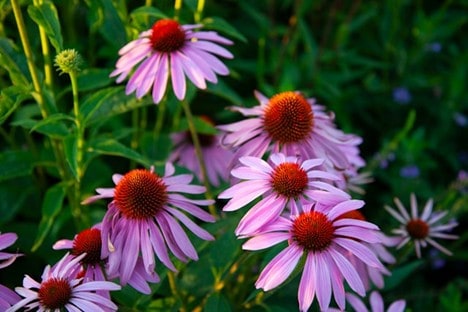
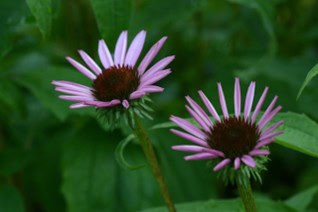
Purple Coneflower (Echinacea purpurea)
Purple coneflower is one of the most popular native perennials, known for its vibrant, daisy-like flowers and ability to attract pollinators. The plant is drought-tolerant and thrives in full sun or partial shade. Its striking purple blooms are a favorite of bees, butterflies, and other pollinators, making it a great addition to any garden focused on promoting biodiversity. Once established, purple coneflower is a low-maintenance plant, requiring little water and occasional deadheading to encourage new blooms. This hardy perennial also provides winter interest, as its seed heads attract birds.
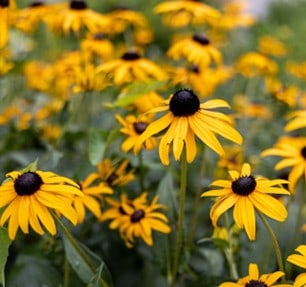
Black-eyed Susan (Rudbeckia hirta)
Another quintessential native flower, black-eyed Susan is a hardy, drought-tolerant perennial that produces bright yellow, daisy-like flowers with dark centers. These plants thrive in full sun and well-drained soil, making them an excellent choice for dry or moderately fertile areas. Black-eyed Susans are known to bloom profusely throughout the summer, providing continuous color in your garden. They are also beneficial for pollinators, attracting bees, butterflies, and birds. In addition to their beauty, these plants are deer-resistant, making them a great option for yards where wildlife browsing may be a concern.
Wild Bergamot (Monarda fistulosa)
Wild bergamot, also known as bee balm, is a striking native plant with aromatic leaves and clusters of pink to lavender-colored flowers. This plant is a magnet for pollinators, especially bees, butterflies, and hummingbirds. Wild bergamot thrives in full sun and moist, well-drained soil. It is also resistant to many common garden pests and diseases, making it an easy plant to grow. In addition to its beauty and ecological benefits, wild bergamot’s leaves have a pleasant scent, which can be used in herbal teas or as a natural insect repellent.
Butterfly Weed (Asclepias tuberosa)
If you’re looking to attract butterflies to your yard, butterfly weed is a must-have plant. This vibrant orange perennial is the primary host plant for monarch butterflies, which rely on it to lay their eggs and feed their larvae. Butterfly weed also attracts other pollinators, including bees and hummingbirds. It grows best in full sun and well-drained soil and is drought-tolerant once established. Its striking orange flowers are a perfect addition to a pollinator garden, and its long bloom period adds a pop of color to your yard. Beyond its ecological benefits, butterfly weed is also a beautiful ornamental plant that can add visual interest to any landscape.
Little Bluestem (Schizachyrium scoparium)
Little bluestem is a native grass that offers beauty, texture, and habitat value to any garden. It is a perennial grass that forms a dense clump and turns striking shades of blue, red, and purple in the fall. Little bluestem is ideal for low-maintenance landscaping because it is drought-tolerant and adapts well to a variety of soil conditions. This grass is particularly beneficial for wildlife, providing food and cover for birds and small mammals. Little bluestem thrives in full sun and can be used in naturalized areas, prairie-style gardens, or mixed with other native grasses and wildflowers for a textured, year-round landscape.
Eastern Red Columbine (Aquilegia canadensis)
For gardeners looking to add a touch of delicate beauty to their yard, Eastern red columbine is a wonderful choice. This native perennial produces vibrant red and yellow tubular flowers that attract hummingbirds, making it a great option for a wildlife-friendly garden. Eastern red columbine thrives in partially shaded areas and moist, well-drained soil. It is perfect for woodland gardens, shaded borders, or even hanging baskets. Its graceful flowers and feathery foliage bring a sense of elegance to any space, while also supporting pollinators.
New England Aster (Symphyotrichum novae-angliae)
New England aster is a striking native plant that blooms late in the season, offering a burst of color when many other plants have finished flowering. Its large, daisy-like purple or pink flowers attract pollinators, including bees, butterflies, and moths. New England asters thrive in full sun and well-drained soil, and they tolerate a wide range of soil conditions. They are an excellent addition to fall gardens, providing a late-season food source for pollinators. These perennials grow tall, making them ideal for the back of garden beds or as a focal point in mixed planting schemes.
Wild Ginger (Asarum canadense)
For those looking to add some shade-loving plants to their garden, wild ginger is a perfect choice. This native perennial grows well in moist, shady areas, making it ideal for woodland or under-tree gardens. Wild ginger has glossy, heart-shaped leaves and produces small, hidden flowers that attract pollinators. It is an excellent groundcover plant, helping to suppress weeds and add texture to shaded spaces. Wild ginger is also known for its medicinal uses and pleasant scent, making it a useful and beautiful addition to any yard.
Prairie Dropseed (Sporobolus heterolepis)
Prairie dropseed is another grass that offers texture and movement. It forms a dense, rounded clump of fine, arching leaves that turn golden-yellow in the fall. Prairie dropseed is drought-tolerant and thrives in full sun and well-drained soil. This grass is perfect for naturalistic or prairie-style gardens, providing habitat for birds and small mammals. It also works well in mixed plantings with other native grasses or wildflowers. Its fine texture and subtle movement in the breeze make it an attractive choice for garden beds or as a border plant.
Indian Grass (Sorghastrum nutans)
Indian grass is a tall perennial that can add height, structure, and year-round interest to your garden. It forms a clump of narrow, green leaves that turn a golden yellow in the fall. Its airy, golden seed heads sway gracefully in the wind, adding movement to your garden. Indian grass thrives in full sun and moist, well-drained soil, but it can also tolerate drought conditions once established. It provides important habitat for wildlife, including birds and small mammals, and is an excellent choice for prairie or meadow gardens.
Benefits of Native Plants
The beauty of native plants extends beyond their aesthetic value. They offer several environmental benefits that contribute to sustainability, conservation, and overall garden health:
- Water Conservation: Native plants are adapted to local rainfall patterns and require less water once established compared to non-native species.
- Soil Health: Native plants often have deep root systems that improve soil structure, enhance water retention, and reduce erosion.
- Biodiversity: By choosing native species, you create habitats that support a wide range of local wildlife, from pollinators to birds and small mammals.
- Low Maintenance: Since native plants are already acclimated to the local climate, they typically require less fertilizer, water, and pest management.
- Increased Resilience: Native plants are better equipped to handle local environmental stresses, such as extreme heat, drought, or fluctuating weather patterns.
Enhance Your Garden’s Beauty with Sustainability
Incorporating native plants into your garden is one of the best ways to support the local ecosystem, reduce maintenance, and create a beautiful, sustainable landscape. By choosing plants that thrive in the region’s climate and environment, you not only contribute to environmental health but also enjoy a low-maintenance, water-efficient garden. Whether you’re a seasoned gardener or just beginning to explore the joys of gardening, native plants offer a range of options that can enhance the beauty and biodiversity of your yard while making it easier to care for.