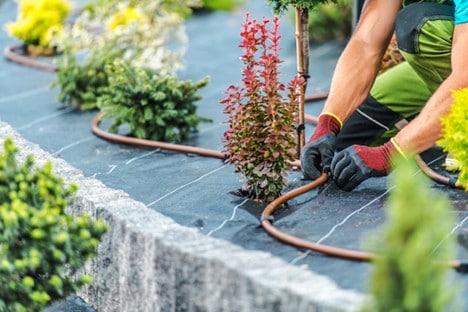
Across the Midwest, homeowners are rethinking how their outdoor spaces function, not just how they look. In regions like Kansas, where weather patterns can shift dramatically between seasons, creating a space that balances beauty, durability, and practicality is more important than ever. From modern lawn care strategies to thoughtfully designed gathering areas, the focus is shifting toward outdoor environments that enhance everyday living. For those considering professional landscaping in Wichita KS, these latest trends reflect a growing emphasis on sustainability, usability, and long-term value.
Embracing Native and Climate-Resilient Plants
One of the most significant shifts in outdoor design across the Heartland is the increased use of native and climate-resilient plant life. Homeowners are moving away from high-maintenance greenery that struggles in extreme temperatures and instead opting for species that naturally thrive in Kansas conditions.
Native plants offer several advantages. They require less water, adapt well to local soil, and are more resistant to pests and disease. This translates into lower maintenance and reduced long-term costs. Additionally, these plants support local ecosystems by attracting pollinators such as bees and butterflies, adding both environmental and visual value.
Incorporating a mix of grasses, perennials, and flowering plants that are suited to the region helps create a balanced, natural aesthetic that evolves beautifully throughout the seasons.
Functional Outdoor Living Spaces
Outdoor areas are no longer just for occasional use, they are becoming extensions of the home. Homeowners are increasingly investing in spaces that support relaxation, entertainment, and daily activities.
Patios, fire pits, and seating areas are being designed with comfort and functionality in mind. Weather-resistant furniture, shade structures, and built-in features such as seating walls or outdoor kitchens are becoming more common. These additions transform outdoor areas into usable spaces throughout much of the year.
In the Midwest, where evenings can be cool even in warmer months, fire features add both ambiance and practicality. They extend the usability of outdoor spaces and create a natural gathering point for family and friends.
Low-Maintenance Lawn Solutions
Maintaining a traditional lawn can be time-consuming and challenging, especially during periods of drought or extreme heat. As a result, homeowners are exploring low-maintenance alternatives that still provide a clean and attractive appearance.
This includes reducing the overall size of grass areas and incorporating ground covers, decorative stone, or mulch beds. These elements not only reduce upkeep but also add visual interest and texture to the property.
For those who prefer to keep a traditional lawn, there is a growing focus on smarter care techniques. This includes selecting drought-tolerant grass varieties, improving soil health, and using efficient irrigation systems to conserve water while maintaining a lush appearance.
Smart Irrigation and Water Management
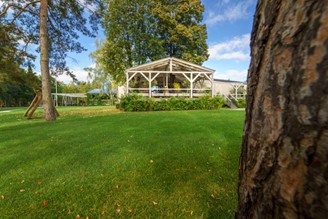
Water conservation has become a key priority, particularly in areas prone to dry conditions. Modern irrigation systems are designed to deliver water more efficiently, reducing waste while ensuring that plants receive the moisture they need.
Smart irrigation technology allows homeowners to control watering schedules based on weather conditions, soil moisture levels, and seasonal changes. This not only improves plant health but also helps lower utility costs.
In addition to irrigation, proper drainage solutions are gaining attention. Heavy rains can lead to pooling water and soil erosion, which can damage outdoor spaces over time. Installing features such as French drains, grading adjustments, or permeable surfaces helps manage water effectively and protect the integrity of the property.
Outdoor Lighting for Safety and Aesthetics
Lighting plays a crucial role in enhancing both the functionality and appearance of outdoor spaces. Thoughtfully placed lighting can highlight architectural features, illuminate pathways, and create a welcoming atmosphere after dark.
In the Heartland, where daylight hours vary significantly throughout the year, outdoor lighting extends the usability of outdoor areas. Homeowners are increasingly choosing energy-efficient LED options that provide long-lasting illumination with minimal energy consumption.
Layered lighting designs are particularly popular. This approach combines different types of lighting, such as pathway lights, accent lights, and ambient lighting, to create depth and visual interest. The result is a space that feels both safe and inviting.
Sustainable and Eco-Friendly Practices
Sustainability is no longer a niche consideration; it has become a central focus in outdoor design. Homeowners are looking for ways to reduce their environmental impact while maintaining beautiful and functional spaces.
This includes using organic fertilizers, minimizing chemical treatments, and incorporating composting practices. Rainwater harvesting systems are also gaining popularity, allowing homeowners to collect and reuse water for irrigation purposes.
Permeable materials, such as gravel or specially designed pavers, are being used to reduce runoff and improve water absorption. These materials help maintain natural water cycles and prevent issues associated with excessive drainage.
Blending Hardscape and Softscape Elements
A balanced combination of structural features and natural elements is a hallmark of modern outdoor design. Hardscape elements such as walkways, retaining walls, and patios provide structure and define spaces, while plant life softens the overall look and adds vibrancy.
In the Heartland, this balance is particularly important due to the region’s diverse weather conditions. Durable materials such as stone, brick, and concrete are commonly used for structural features, ensuring longevity and resilience.
At the same time, incorporating greenery and natural textures helps create a welcoming environment that feels connected to the surrounding landscape. The interplay between these elements results in a cohesive and visually appealing design.
Outdoor Spaces Designed for All Ages
Another emerging trend is the creation of outdoor spaces that cater to all members of the household. Families are designing areas that support a variety of activities, from play zones for children to relaxation areas for adults.
This might include open lawn areas for games, shaded seating for reading or socializing, and multi-functional spaces that can adapt to different needs. The goal is to create an environment that encourages time spent outdoors and fosters connection among family members.
Accessibility is also becoming a consideration, with designs that accommodate individuals of all ages and abilities. Smooth pathways, adequate lighting, and thoughtful layouts ensure that outdoor spaces are inclusive and easy to navigate.
Seasonal Flexibility and Year-Round Appeal
In a region like Kansas, where seasons can be extreme, designing outdoor spaces that remain functional and attractive year-round is a key priority. Homeowners are selecting plants that provide visual interest across different seasons, from spring blooms to winter textures.
Structures such as pergolas, covered patios, and windbreaks help protect against the elements, making outdoor spaces usable even in less favorable weather. Incorporating features that adapt to seasonal changes ensures that the investment in outdoor design continues to deliver value throughout the year.
Enhancing Curb Appeal with Thoughtful Design
First impressions matter, and the exterior of a home plays a significant role in how it is perceived. Enhancing curb appeal is a top priority for many homeowners, whether they are preparing to sell or simply want to take pride in their property.
This includes maintaining a well-kept lawn, adding colorful plant arrangements, and ensuring that entryways are inviting and well-lit. Small details, such as updated walkways or decorative borders, can make a significant difference in the overall appearance of a property.
Consistency in design is also important. Coordinating colors, materials, and styles creates a cohesive look that enhances the home’s visual appeal.
The Future of Outdoor Living
Outdoor design in the Heartland is evolving to meet the needs of modern homeowners. The focus is no longer solely on aesthetics but on creating spaces that are functional, sustainable, and adaptable to changing conditions.
From native plant selections and smart irrigation systems to multi-purpose living areas and energy-efficient lighting, these trends reflect a shift toward thoughtful, intentional design. Homeowners are investing in outdoor environments that not only enhance their property but also improve their quality of life.
By embracing these trends, residents across Kansas and the broader Midwest can create outdoor spaces that are both beautiful and practical – spaces that stand up to the region’s unique challenges while providing lasting enjoyment for years to come.