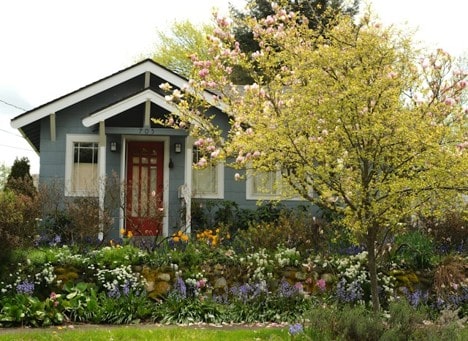
A beautiful landscape should offer more than a burst of color in spring or a lush green lawn during summer. With thoughtful planning, homeowners can create outdoor spaces that remain attractive throughout the year, even as temperatures change and plants move through their natural growth cycles. Professional KC landscaping can help bring together trees, shrubs, flowering perennials, hardscaping, and seasonal accents to create a cohesive design that evolves throughout the year. By choosing plants suited to the local climate and balancing color, texture, and structure, homeowners can enjoy a landscape that looks inviting from the first signs of spring through the quiet months of winter.
Start With a Landscape Design That Offers Year-Round Structure
The foundation of a four-season landscape is a design that remains visually interesting even when flowers are not blooming. Trees, evergreen shrubs, ornamental grasses, stone borders, and other permanent features provide structure that holds the landscape together throughout the year.
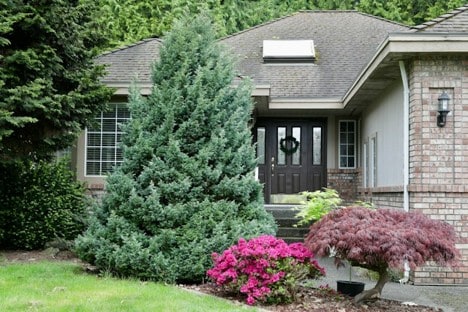
Evergreen plants are particularly valuable because they retain their foliage during winter, adding color and definition when many other plants have gone dormant. Boxwoods, junipers, and selected varieties of arborvitae can provide year-round greenery, privacy, or a natural backdrop for seasonal flowers.
Deciduous trees and shrubs contribute a different kind of interest. Their spring blossoms, summer foliage, fall colors, and winter silhouettes create changing visual appeal without requiring homeowners to redesign their landscape each season.
Hardscape elements also help maintain a finished appearance. Stone walkways, retaining walls, decorative edging, and patios provide consistent visual structure regardless of the weather. When these permanent features complement the surrounding plants, the landscape feels intentional throughout the year.
Choose Plants With Different Bloom Times
One of the easiest ways to maintain seasonal interest is to select plants that bloom at different times. Instead of relying on a single wave of flowers, create a succession of color from early spring through late fall.
Spring bulbs, such as daffodils and tulips, introduce color after winter. Flowering shrubs, including lilacs and certain hydrangeas, add larger displays as temperatures warm. Native perennials, such as coneflowers, black-eyed Susans, and garden phlox, can sustain color through the hottest months when appropriately selected for the site.
Fall offers additional opportunities for interest. Asters and sedums provide late-season blooms, while ornamental grasses develop attractive seed heads and foliage that catches the light.
When selecting plants, consider more than their flowering periods. Foliage color, plant height, growth habits, and texture can be just as important as blossoms. Combining plants with different characteristics helps prevent garden beds from looking empty between major blooming periods.
Make Fall Color Part of the Plan
Autumn can be one of the most visually rewarding seasons in a residential landscape. Trees and shrubs with vibrant fall foliage bring warmth to the property, while ornamental grasses and late-flowering perennials extend the garden’s appeal.
Maples, serviceberries, and dogwoods are examples of plants that can contribute seasonal color, although the performance of individual varieties depends on growing conditions and local climate. Burning bush is also known for its brilliant fall color, but homeowners should check local invasive-plant guidance before selecting it.
Fall color should complement the landscape rather than appear in isolated patches. Consider how golden foliage, red leaves, purple flowers, and fading ornamental grasses will work together with evergreen plants and existing hardscape features.
Fall is also a useful time to assess the landscape’s overall balance. If certain areas look bare after summer flowers fade, adding shrubs, late-blooming perennials, or plants with colorful seed heads can improve the garden’s appearance in future years.
Incorporate Plants That Look Attractive in Winter
Winter landscaping often receives less attention, yet this season reveals the importance of choosing plants for their form as well as their foliage.
Evergreens provide dependable color, while trees with distinctive branching patterns create visual interest against a snowy or muted background. Ornamental grasses can retain upright forms and decorative seed heads through part of the winter, adding movement and texture.
Some shrubs also offer winter appeal through colorful stems, persistent berries, or interesting bark. Red-twig dogwood, for example, can provide vivid stem color during the dormant season. Berry-producing plants may also offer food for wildlife, provided the varieties are appropriate for the area and planted in suitable conditions.
Permanent features become especially noticeable during winter. A curved walkway, stone retaining wall, decorative planter, or well-placed bench can keep an outdoor space visually engaging when flower beds are dormant.
Avoid cutting back every perennial and ornamental grass in autumn simply to make the garden look tidy. Some plants provide winter structure and habitat for wildlife. Cleanup can be scheduled according to the needs of individual plants and the homeowner’s preferred appearance.
Match Plants to Sunlight, Soil, and Drainage
Even a carefully designed landscape can struggle if plants are placed in unsuitable growing conditions. Before choosing trees, shrubs, or perennials, evaluate how much sunlight each area receives, how quickly the soil drains, and whether the ground tends to remain wet or dry.
Soil conditions deserve particular attention. Heavy clay soil, which is common in parts of the Kansas City region, can retain water and become compacted. Improving soil structure with appropriate organic matter and selecting plants that tolerate the site’s conditions can support healthier growth.
Sunlight also affects flowering and foliage quality. Plants that require full sun may produce fewer blooms in heavily shaded locations, while shade-loving varieties can struggle in exposed, hot areas.
Grouping plants with similar water and light requirements makes maintenance easier and helps reduce unnecessary watering. The right plant in the right location is more likely to remain healthy, attractive, and resilient as the seasons change.

Plan for Maintenance Throughout the Year
A landscape designed for year-round beauty still requires regular care. Seasonal maintenance helps plants stay healthy and prevents small problems from becoming expensive repairs.
In spring, remove damaged growth, inspect irrigation systems, refresh mulch where needed, and identify areas that require replanting. During summer, monitor soil moisture, remove weeds, and watch for signs of heat stress or disease.
Fall is an opportunity to plant suitable trees and shrubs, prepare vulnerable plants for colder temperatures, and remove diseased foliage when necessary. Winter provides time to assess the landscape’s structure, plan improvements, and schedule larger projects before the next growing season.
Mulch can help moderate soil temperatures and conserve moisture, but it should be kept away from direct contact with tree trunks and shrub stems. Pruning should also be based on the needs and flowering habits of each plant rather than a single schedule for the entire property.
Create a Landscape That Changes Beautifully
A landscape that looks great in every season depends on balance rather than constant color. Evergreen plants provide continuity, flowering perennials deliver seasonal displays, trees and shrubs add changing foliage, and hardscape features maintain structure throughout the year.
By considering bloom times, winter interest, growing conditions, and maintenance needs during the planning stage, homeowners can create outdoor spaces that remain attractive as the seasons change. The result is a landscape that offers something to appreciate year-round while making the property more welcoming, functional, and visually cohesive.