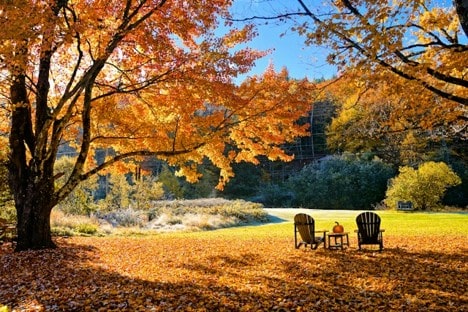
By the time fall arrives, the yard has had an entire growing season to reveal what works, what does not and what may need attention. Plants have matured, leaves begin to thin out, and areas that looked full in summer can suddenly expose bare spots, drainage issues or gaps in privacy. For homeowners considering landscaping in Wichita, KS, this seasonal change offers a valuable opportunity to look at the property with fresh eyes and start thinking about what could make it more functional and attractive next year.
See the Property Without Its Summer Disguise
Summer growth can make almost any yard look fuller. Trees are covered in leaves, perennial gardens are at their peak and shrubs may have grown several inches since spring. While that creates beautiful scenery, it can also hide problems.
Fall provides a clearer view of the property’s underlying structure. Once foliage begins to thin, homeowners may notice spaces that feel too exposed, areas where plants have become overcrowded or parts of the property that lack definition. Trees and shrubs that seemed appropriately spaced in spring may look quite different once their mature size becomes apparent.
This seasonal perspective can help homeowners identify changes that may be worth making before another growing season begins.
Evaluate What Worked This Year
Not every outdoor improvement needs to be replaced simply because it did not look perfect. Fall is a good time to consider why certain areas performed well and why others fell short.
Did a planting bed provide color throughout the season? Did a particular tree create the amount of shade you wanted? Did the patio become a favorite gathering spot? Did a pathway make it easier to move around the property?
The answers can help guide future improvements. Successful elements can be repeated elsewhere, while less successful choices can be adjusted rather than carried into another growing season.
It is also worth considering how the yard was actually used. An outdoor area may look beautiful but rarely be visited, while a simple seating area near the kitchen may become the most frequently used part of the property. The way homeowners interact with their outdoor spaces can provide some of the best information for deciding what should change.
Look for Drainage Problems
Heavy summer storms can reveal drainage problems that are easy to overlook during drier periods. Standing water, muddy areas, eroded soil and consistently damp sections of the yard can all indicate that water is not moving through the property as effectively as it should.
Fall is a useful time to take note of these areas before making additional improvements. Installing a new planting bed, adding hardscape or changing the grade without considering existing water movement could potentially make the problem worse.
Drainage should be viewed as part of the overall design of the property. Addressing how water moves across the yard can help protect plants, soil, walkways and other outdoor features while creating a more functional space.
Find the Bare Spots
A bare area that seemed insignificant in spring can become much more noticeable in fall. Perhaps a planting bed never filled in as expected, grass struggled beneath a mature tree or an awkward patch of soil remained unused throughout the summer.
These spaces present opportunities.
Rather than automatically filling every empty area with another plant, consider what the property actually needs. A bare section might benefit from additional trees or shrubs, a groundcover, a defined garden bed, a pathway or even a seating area. The best solution depends on the property’s conditions and how the space is intended to be used.
Fall makes these decisions easier because homeowners can see the areas that genuinely need attention rather than planning around temporary summer growth.
Identify Gaps in Privacy
Privacy can also look very different at the end of the growing season.
A row of deciduous trees or shrubs may provide excellent screening during summer but reveal neighboring properties once the leaves disappear. A planting bed may have looked dense in July but suddenly feel sparse in October.
That does not necessarily mean the existing plants were a poor choice. Instead, it may indicate that the property could benefit from additional layers of screening.
Evergreens can provide year-round structure, while trees and shrubs with different heights can create a more natural visual barrier. Strategic placement can also provide privacy without completely enclosing the yard.
Seeing the property during fall can make those gaps much easier to recognize.
Pay Attention to the Yard’s Structure
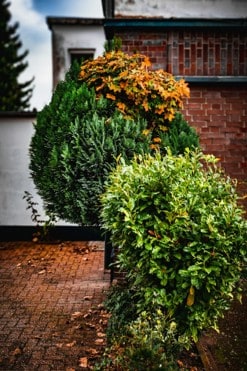
When flowers fade and leaves fall, the structural elements of a property become more prominent. Walkways, retaining walls, patios, fences, trees and garden beds can suddenly have a much greater visual impact.
This makes fall an excellent time to evaluate whether those elements work together.
A yard does not need to be filled with plants to feel complete. Strong pathways can guide movement through the property. Trees can frame views and establish scale. Defined planting areas can give the yard organization, while seating areas can create destinations that encourage people to spend time outdoors.
Fall helps homeowners see those relationships more clearly.
Start Planning Before Spring Arrives
Waiting until spring to decide what needs to change can put homeowners into a rush. Once temperatures rise and plants begin growing, there is often a long list of seasonal tasks competing for attention.
Autumn provides breathing room.
Taking photographs, making notes and identifying priorities while the yard is still fresh in your mind can make future improvements more intentional. Homeowners can consider which projects should happen first, which plants need to be relocated and where structural changes may make the biggest difference.
Some projects may also benefit from fall installation, depending on the climate, plant selection and scope of the work. Planning ahead gives homeowners time to research options and develop a cohesive approach instead of making decisions one project at a time.
Let the Season Show You What Comes Next
A yard is constantly changing, and its appearance in July does not tell the whole story. Fall reveals the framework beneath summer growth and gives homeowners an opportunity to evaluate the property from a different perspective.
Bare areas, drainage problems, privacy gaps and awkward transitions become easier to spot. Successful features stand out, while plants and outdoor spaces that did not perform as expected provide useful lessons for the future.
Rather than viewing the end of the growing season as the end of outdoor projects, consider it a natural planning period. With a clearer understanding of what the property needs, homeowners can approach the next growing season with a more thoughtful vision and create an outdoor space that works beautifully throughout the entire year.